Comparing Dry Needling and Massage for Muscle Tension Relief
Muscle tension is one of those problems that can start small and become part of daily life. It might begin as a stiff neck after desk work, a tight lower back after lifting, or calves and hips that never seem to loosen after training. When it sticks around, people often try multiple approaches, including stretching, heat packs, massage, and dry needling. The confusing part is that both dry needling and massage can feel helpful, but they work in different ways and suit different situations.
This guide breaks down the differences in plain language so you can make a more confident choice. It’s general information, not personal medical advice, and your suitability should be assessed by a clinician. If you’re looking up dry needling Mackay options or searching dry needling near me, the aim here is to help you understand what to expect and when each approach may make sense.
Why Muscle Tension Happens and Why It Can Stick Around
Muscles tighten for a reason. Sometimes it’s a protective response after strain or overuse. Sometimes it’s a pattern that builds from posture, repetitive work, or stress. In Mackay, it’s common to see tension patterns tied to physical jobs, long drives, gym training, weekend sport, or sustained desk work. Heat and humidity can also influence how people move and recover, particularly when hydration and sleep aren’t consistent.
Tension sticks around when the driver is still present. If the same movements, loads, or postures keep repeating, the muscle can remain guarded. Another reason is trigger points, which are sensitive, tight areas within a muscle that can refer discomfort elsewhere. You can feel like the problem is in the shoulder, but the source may be in the neck or upper back. Understanding the likely driver helps you choose a treatment that targets the right mechanism rather than just chasing symptoms.
What Dry Needling Is and How It Targets Trigger Points
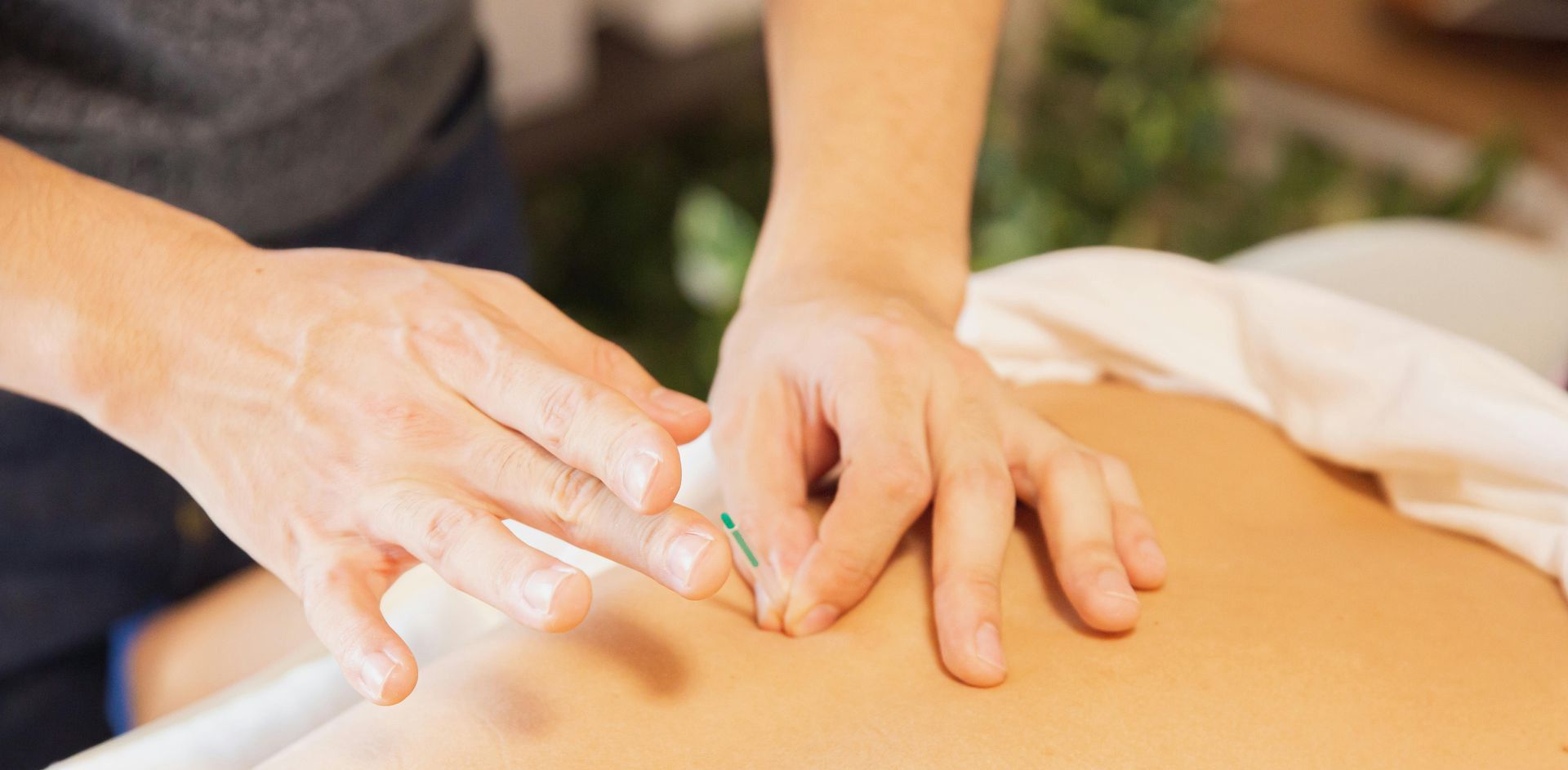
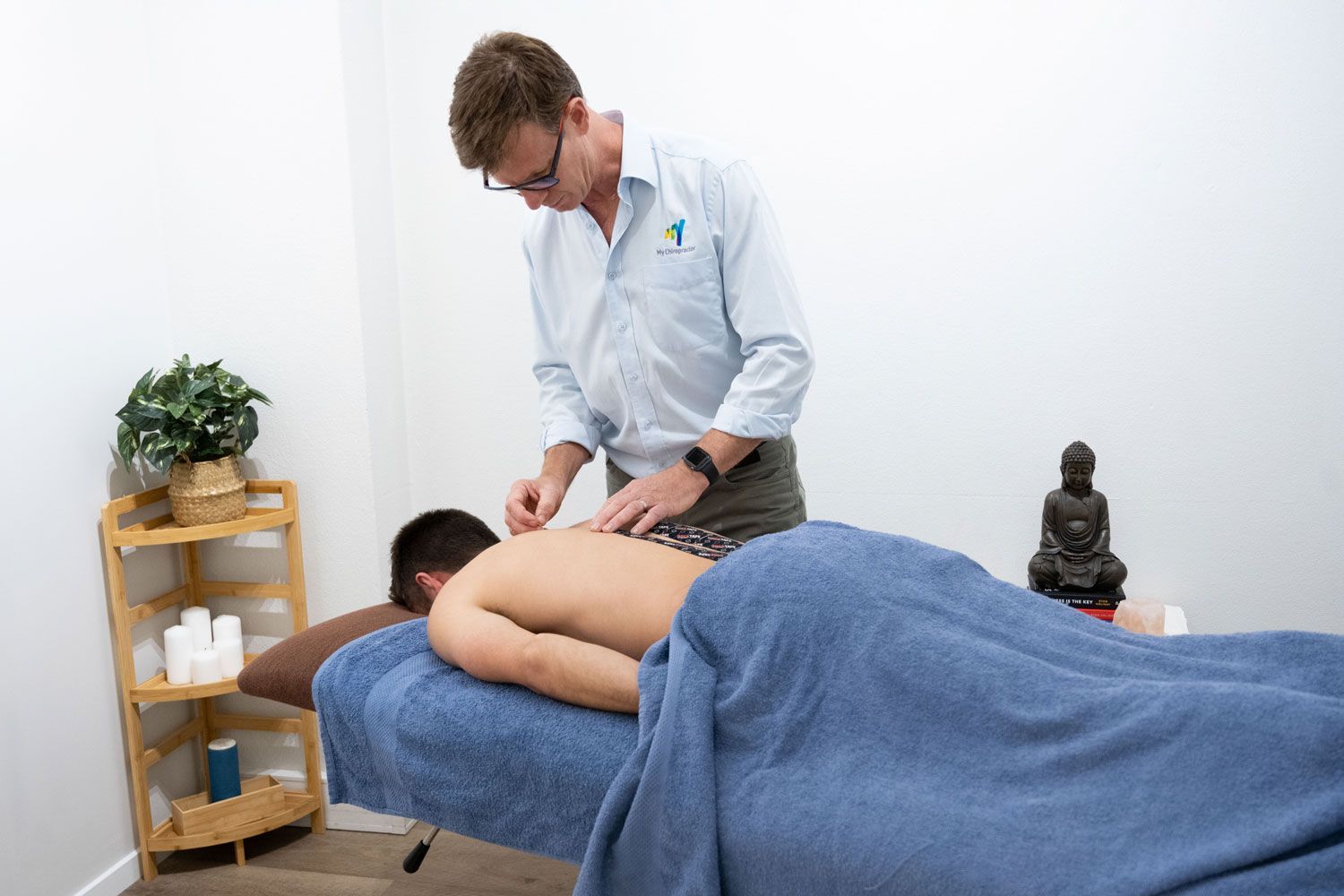
Dry needling involves using very fine, sterile needles to target specific points in muscle tissue, often trigger points. The goal is not to inject anything, but to influence muscle tone, sensitivity, and the way the nervous system is responding in that area. People often describe it as a technique used when a muscle feels “stuck” and isn’t responding to stretching or hands-on work alone.
A common reason people seek dry needling is because the tightness has a clear pattern, keeps returning, or creates referred discomfort. During treatment, you may feel a brief local twitch response or a short, intense sensation when a trigger point is contacted. That doesn’t happen in every session and it’s not the only indicator of a useful outcome. Many people notice changes in movement, reduced tightness, or a “lighter” feeling afterwards.
If you’re searching
dry needling near me, it’s worth choosing a provider who explains what they’re targeting, what sensations can be normal, and how the technique fits into a broader plan rather than being used as a standalone quick fix.
What Massage Does Well for Tight, Overworked Muscles
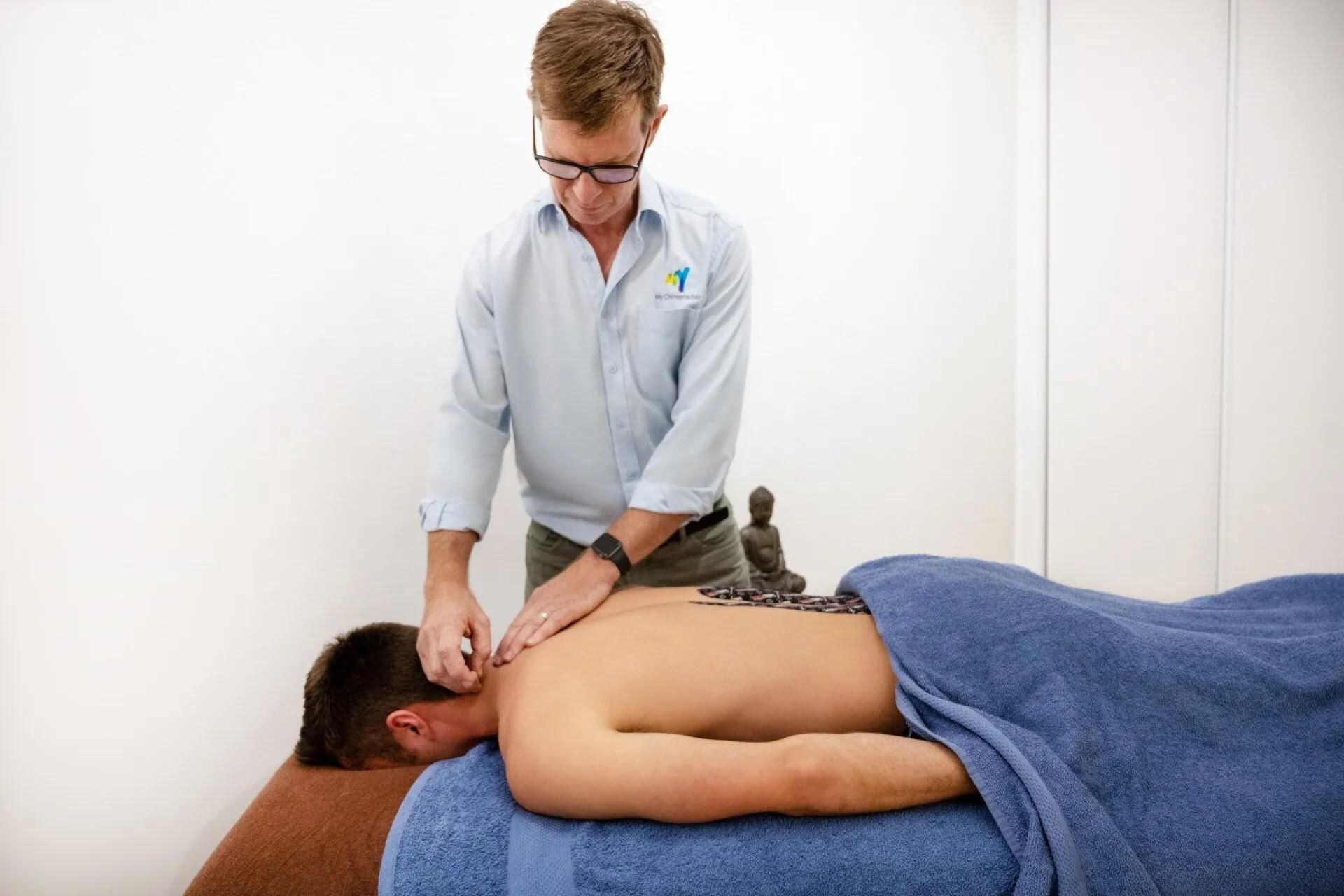
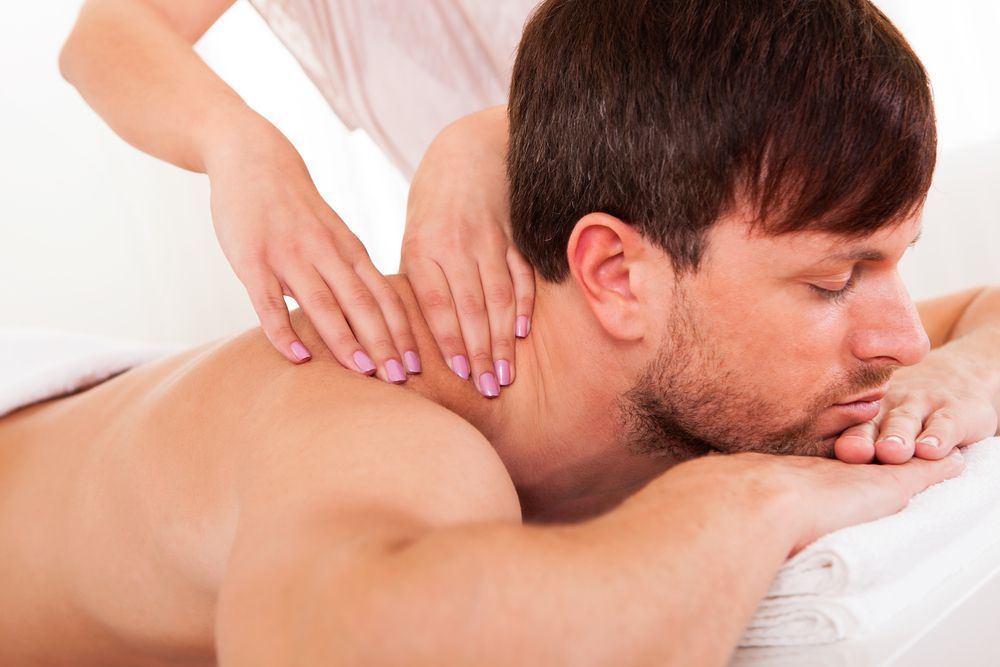
Massage is generally focused on soft tissue pressure and movement, which can help with circulation, relaxation, and reducing the feeling of tightness. It often works well for muscles that are globally overworked, stiff from repetitive tasks, or tight because of general stress and fatigue. Many people find massage helps them feel looser and more comfortable, especially when tension is widespread rather than concentrated into one or two stubborn points.
Massage can also be a good first step when the area is very sensitive, when someone is new to soft tissue work, or when the goal is overall relaxation rather than targeting a specific trigger point. It can help people tune into how their body is responding and identify where they hold tension most often.
One important note for this topic is that different clinics use different terminology. The key is not the label, but the intent and method. Here, “massage” refers broadly to hands-on soft tissue work aimed at easing muscle tension, not a specific branded service.
Key Differences in Sensation, Recovery and Results
Dry needling and massage can both reduce the feeling of tightness, but they often feel different during and after. Massage tends to be more familiar and can be relaxing. Some people feel immediate relief, while others feel a mild “worked” soreness that fades quickly. Dry needling can feel more intense in short bursts, especially when a trigger point is sensitive, and it can lead to post-treatment soreness similar to a workout in the treated area.
The results can also differ depending on the type of tension. Massage may feel better for general tightness and fatigue, while dry needling may be more useful when there’s a specific point that keeps triggering discomfort or restricting movement. Some people respond well to both, but not always at the same time. Choice often comes down to what your body tolerates, how quickly you need change, and whether the tension is general or very localised.
Another difference is precision. Dry needling is often described as more targeted, while massage can treat broader regions. That can make dry needling appealing when a particular muscle or trigger point is hard to settle.
When Dry Needling May Be the Better Fit in Mackay
Dry needling may suit situations where tension is persistent, localised, or linked to trigger points that create referred discomfort. People often consider it when they feel a specific “knot” that returns quickly, when a muscle keeps limiting range of motion, or when certain movements reliably reproduce discomfort. It can also suit those who want a targeted approach rather than broad soft tissue work.
For locals comparing options in Mackay, dry needling can be a practical choice when work or sport creates repeated, predictable muscle loading, like shoulders and upper back from driving or desk work, or hips and calves from training. If you’re exploring dry needling Mackay providers, it’s useful to ask how they decide which muscles to needle, how they manage comfort, and what the follow-up plan is so the tension doesn’t simply return next week.
Dry needling is not always appropriate for every person. A clinician should screen for suitability and talk through risks and expected sensations so you can make an informed decision.
When Massage May Be Enough for Your Situation
Massage may be a good option when your tension feels widespread, when the primary goal is relaxation, or when the area is too sensitive for more targeted approaches. It can also be enough when the main issue is fatigue and stiffness from a busy week, rather than a specific stubborn trigger point that keeps driving discomfort.
Massage can suit people who are new to soft tissue treatment and want a gentler introduction, or those who respond well to broader hands-on work. It’s also a practical option when you’re already making changes to your workload, posture, sleep, or exercise, and you simply want support while your body settles.
In many cases, massage can be part of a maintenance routine that helps you stay comfortable between more structured care, especially when paired with simple movement and load management changes.
How Dry Needling Can Work Alongside Chiropractic Care
Muscle tension and joint function often influence each other. When a joint isn’t moving well, nearby muscles can tighten to protect it. When muscles are tight, they can change how a joint moves. This is why some care plans combine joint-based approaches with soft tissue techniques.
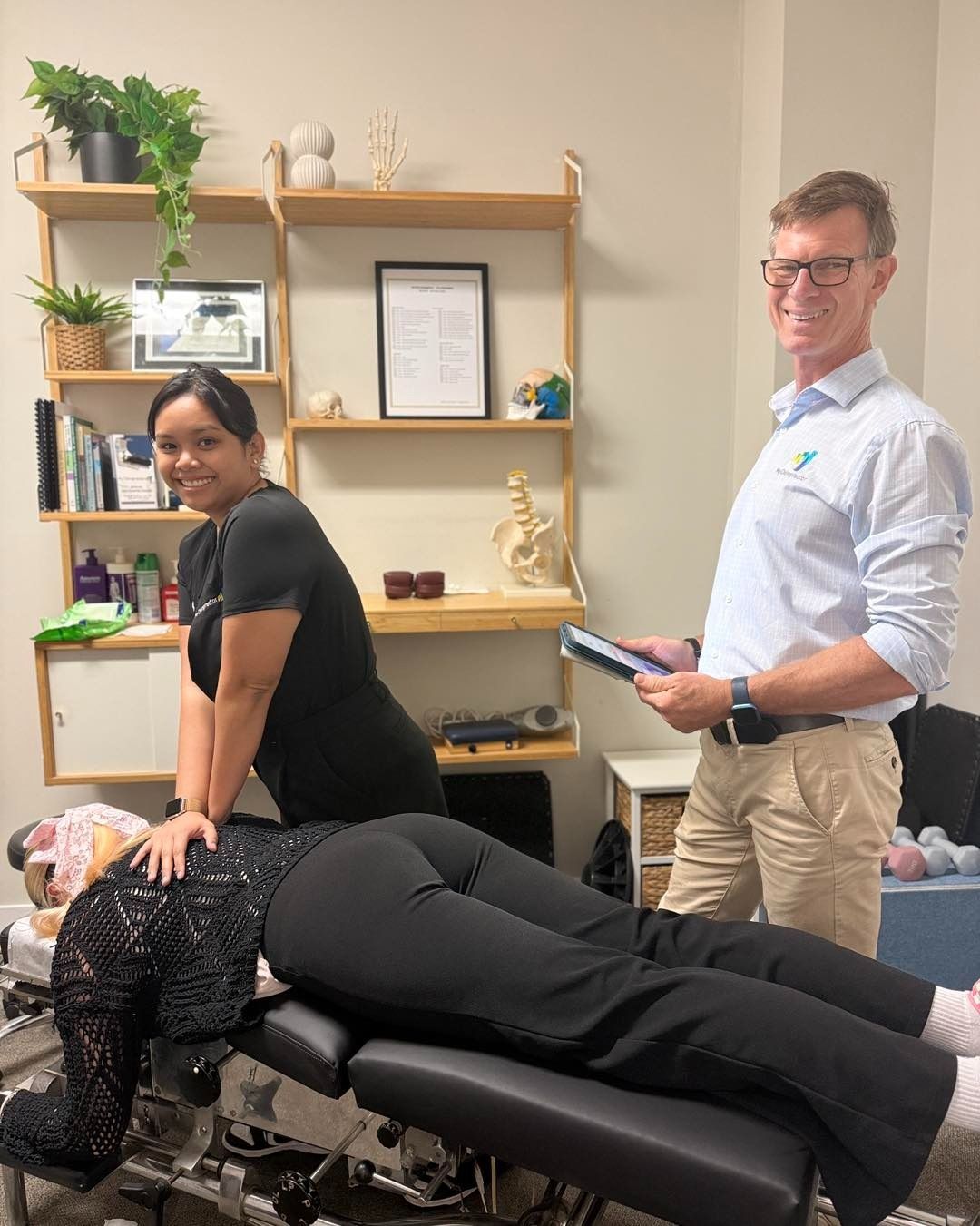
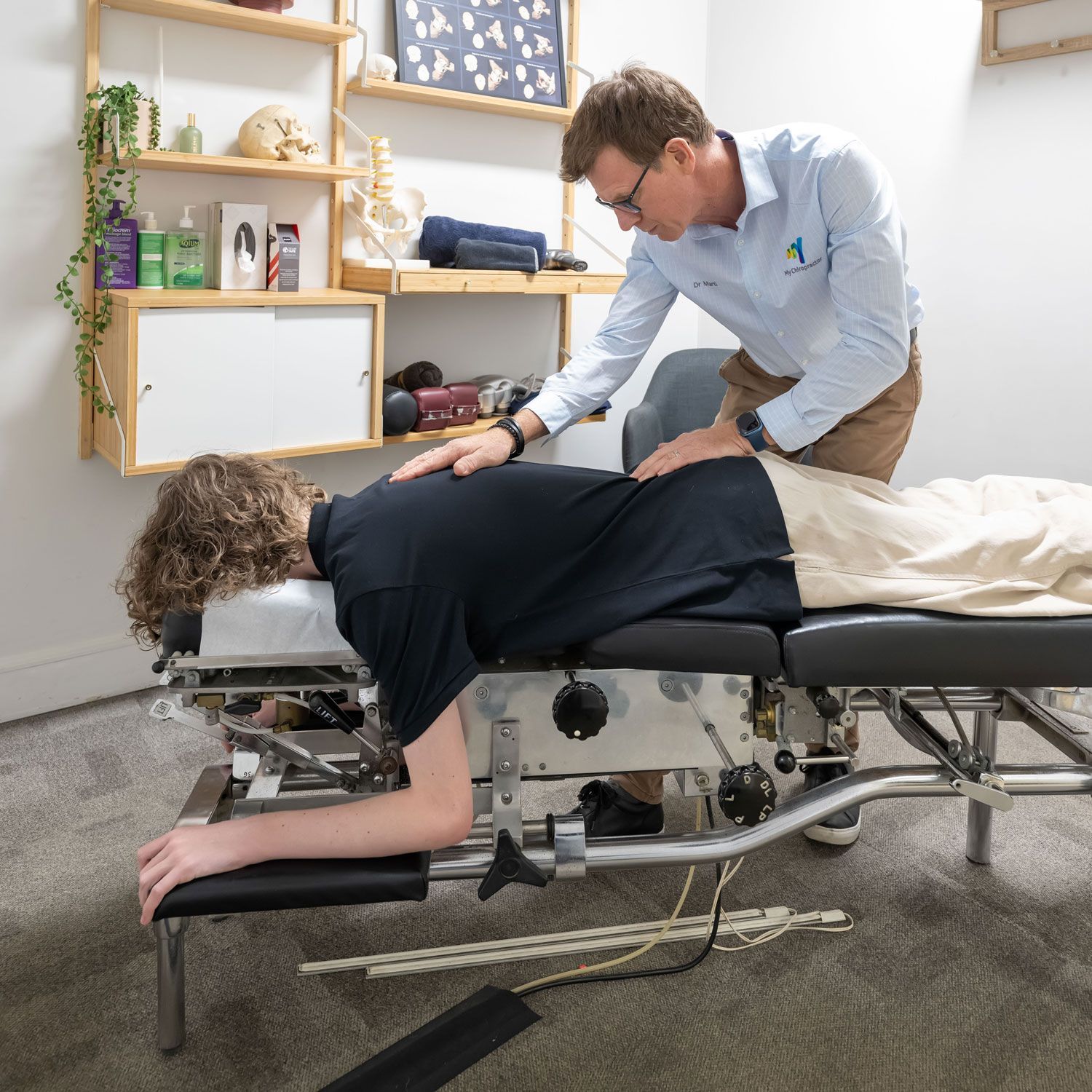
Dry needling can be used alongside chiropractic care when the goal is to reduce muscle guarding, improve movement tolerance, and help you get more out of rehabilitation or mobility work. In this sense, dry needling is not treated as “the whole solution”. It’s one tool used to support better movement, reduce sensitivity, and make it easier to build more sustainable changes through exercise, posture adjustments, and load management.
If you’re looking up dry needling near me and you’re already seeing a chiropractor in Mackay, it can be worth asking how needling fits into the bigger plan and what changes you’ll be working on between sessions to reduce recurrence.
What to Ask Before Booking Dry Needling in Mackay
A good first step is a conversation that helps you understand suitability and expectations. Dry needling can be very straightforward when it’s explained well and matched to the right presentation. Before you book, ask questions that clarify process, comfort, and follow-through.
What to Ask Before Booking Dry Needling in Mackay:
- What type of muscle tension do you think I’m dealing with, and why?
- What should I expect to feel during and after the session?
- How do you decide which muscles to treat and how many points to target?
- What should I do after treatment to support the result?
- How will we track whether this approach is working for me?
If you’re considering dry needling Mackay services, choosing a clinic that explains options clearly and adjusts the plan based on your response is usually more useful than choosing based on hype.
Ready to Reduce Muscle Tension in Mackay?
At My Chiropractor Mackay City, we help patients compare options and choose an approach that suits their symptoms, comfort level, and daily demands, so if you’re searching dry needling near me or want to learn whether dry needling Mackay care is a good fit for your situation, contact us to book an assessment and talk through a plan.