Using Dry Needling To Support Your Sporting Recovery In Mackay
Training and regular physical activity place consistent physical demands on the body. Whether you are preparing for competition, following a structured program or maintaining an active routine, certain muscle groups are exposed to repeated load. Over time, this can lead to tightness, restriction or sensitivity in specific areas.
Sporting recovery focuses on what happens between training sessions. This includes recognising changes in muscle tension and movement as the body responds to repeated load. Recognising these changes is part of maintaining consistency across a training cycle. Dry needling is one approach that is sometimes used where localised muscle tension is identified, and many individuals explore dry needling in Mackay as part of their routine.
How Dry Needling Is Used in Sporting Recovery
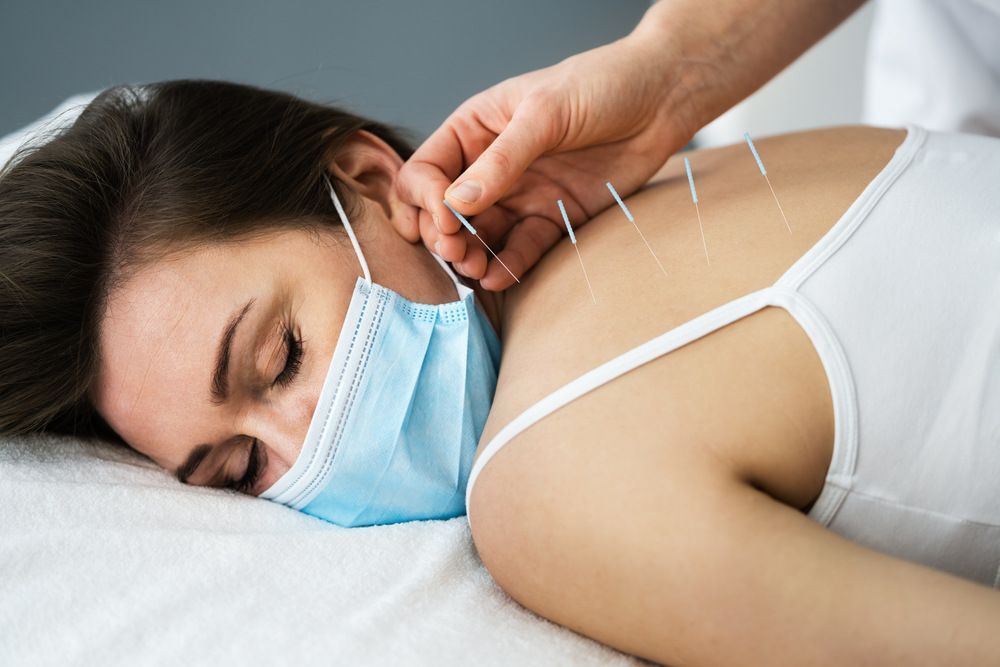
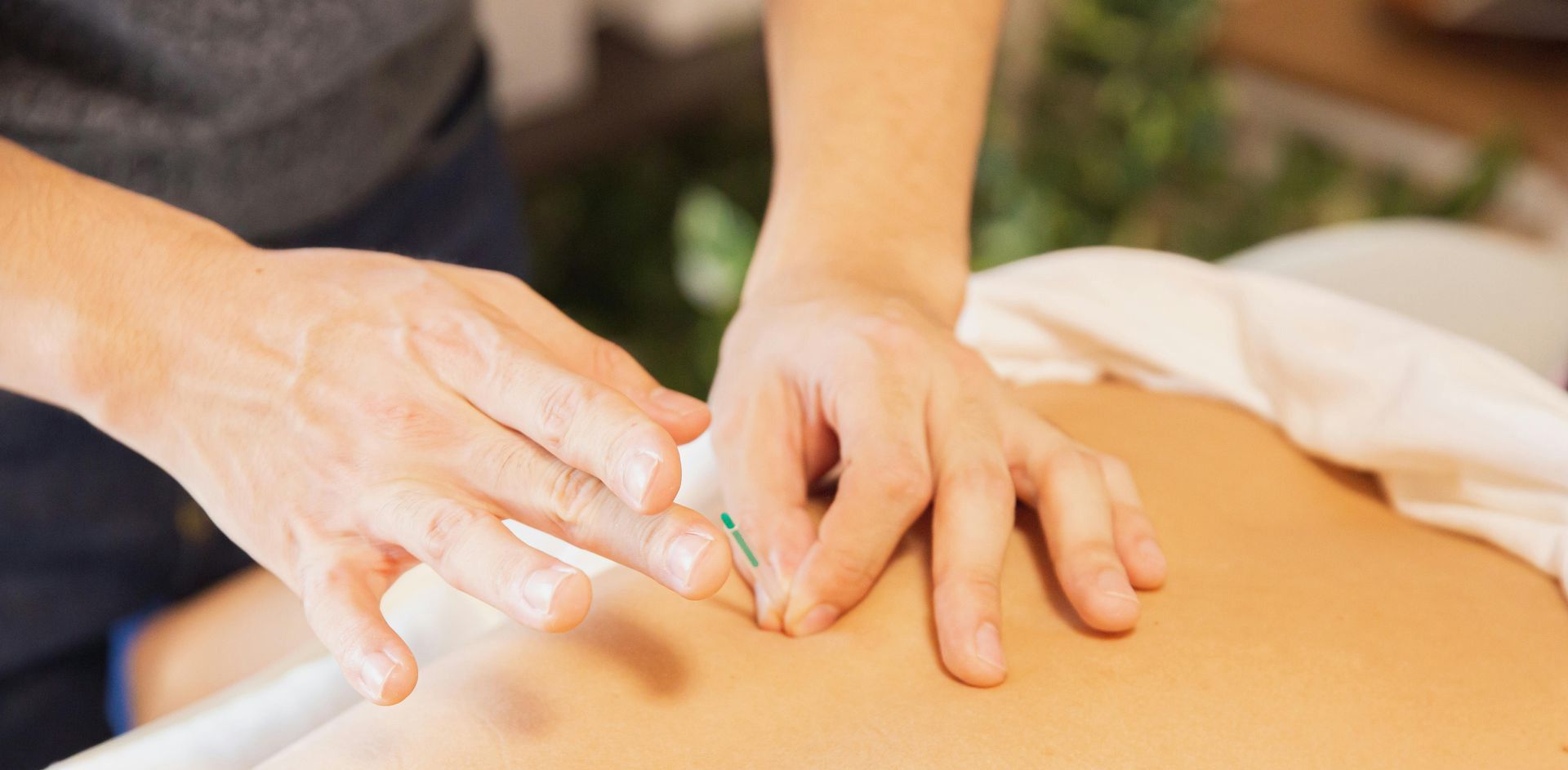
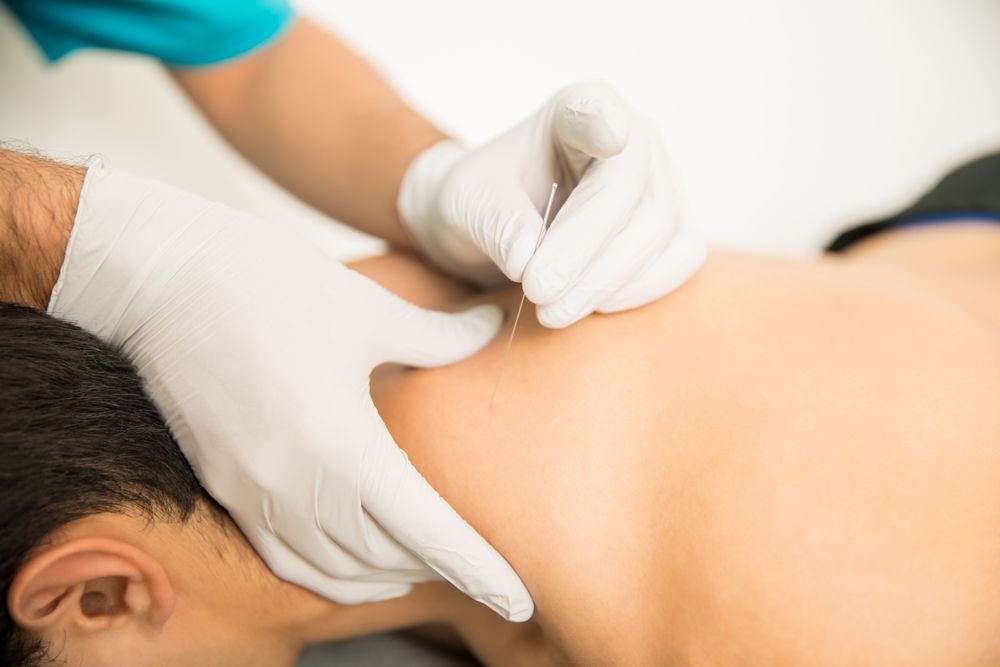
Dry needling involves the use of fine needles applied to specific points within the muscle. These points, often referred to as trigger points, are identified based on how the muscle responds during assessment.
In a sporting setting, these areas can develop through repeated movement, changes in training intensity or ongoing load placed on particular muscle groups. This means certain muscles may become more affected depending on the type and frequency of activity.
It is commonly used in relation to:
- Muscles exposed to repeated use during training
- Localised areas of tension identified during assessment
- Movement patterns that place ongoing demand on specific muscle groups
- Areas where restriction becomes noticeable between sessions
The technique is applied to selected muscles rather than used broadly. This allows it to be included within recovery routines where specific areas are consistently affected by training demands. This targeted focus helps ensure attention is placed on areas most relevant to the individual.
The Role of Recovery Between Training Sessions
Between training sessions, the body responds to the load placed on it. This is often when changes in muscle condition become more noticeable, particularly in areas that are used frequently.
Without attention to recovery, individuals may notice:
- Muscle tightness that remains between sessions
- Reduced movement in certain areas
- Discomfort during specific exercises
- Changes in movement patterns over time
Recovery involves more than rest. It includes recognising changes such as reduced range of motion, stiffness when starting activity or altered movement during exercises like running or lifting. Adjustments to training load or timing between sessions may also be considered in response to these changes, particularly during periods of higher training intensity.
How Repeated Training Affects Muscle Tissue
Muscles are designed to handle load, but repeated use can influence how they respond over time. This is particularly relevant in training programs that involve consistent or repetitive movements.
Over time, this may be associated with:
- Increased tension within specific muscle groups
- Reduced flexibility in targeted areas
- Sensitivity when pressure is applied
- Changes in muscle activation during movement
These responses often develop gradually rather than suddenly. They may become more noticeable during ongoing training cycles, particularly when movements feel more restricted or require more effort to perform. This can also become apparent during longer sessions or when training frequency increases.
Movement Patterns and Compensation
When a muscle becomes restricted, other areas of the body may adjust to maintain movement. This process, known as compensation, allows activity to continue but can change how movement is distributed.
This may result in:
- Altered technique during training, such as changes in running stride or lifting form
- Increased load on surrounding muscles
- Reduced coordination in certain movements
- Uneven distribution of movement across joints
These changes are not always obvious at first. Over time, however, they may affect how consistently movements are performed during training. This may influence how efficiently movements are repeated across multiple sessions.
Common Areas of Tension in Active Individuals
Different types of training place stress on different areas of the body. As a result, certain muscle groups are more commonly associated with tension depending on the activity being performed.
Examples include:
- Calves and hamstrings in running-based activity
- Hip flexors in cycling or prolonged sitting
- Shoulders in upper body or overhead training
- Lower back in lifting or rotational movement
These areas are often exposed to repeated demand, particularly in structured training programs. Over time, this can contribute to localised tension, especially when movement patterns are repeated frequently. In some cases, this may vary depending on technique, posture or training intensity.
Including Dry Needling in a Recovery Routine
Recovery routines typically involve multiple components rather than relying on a single approach. These components are often adjusted depending on training intensity, frequency and individual response to activity.
Dry needling may be included alongside:
- Mobility exercises
- Strength-based training programs
- Warm-up and cool-down routines
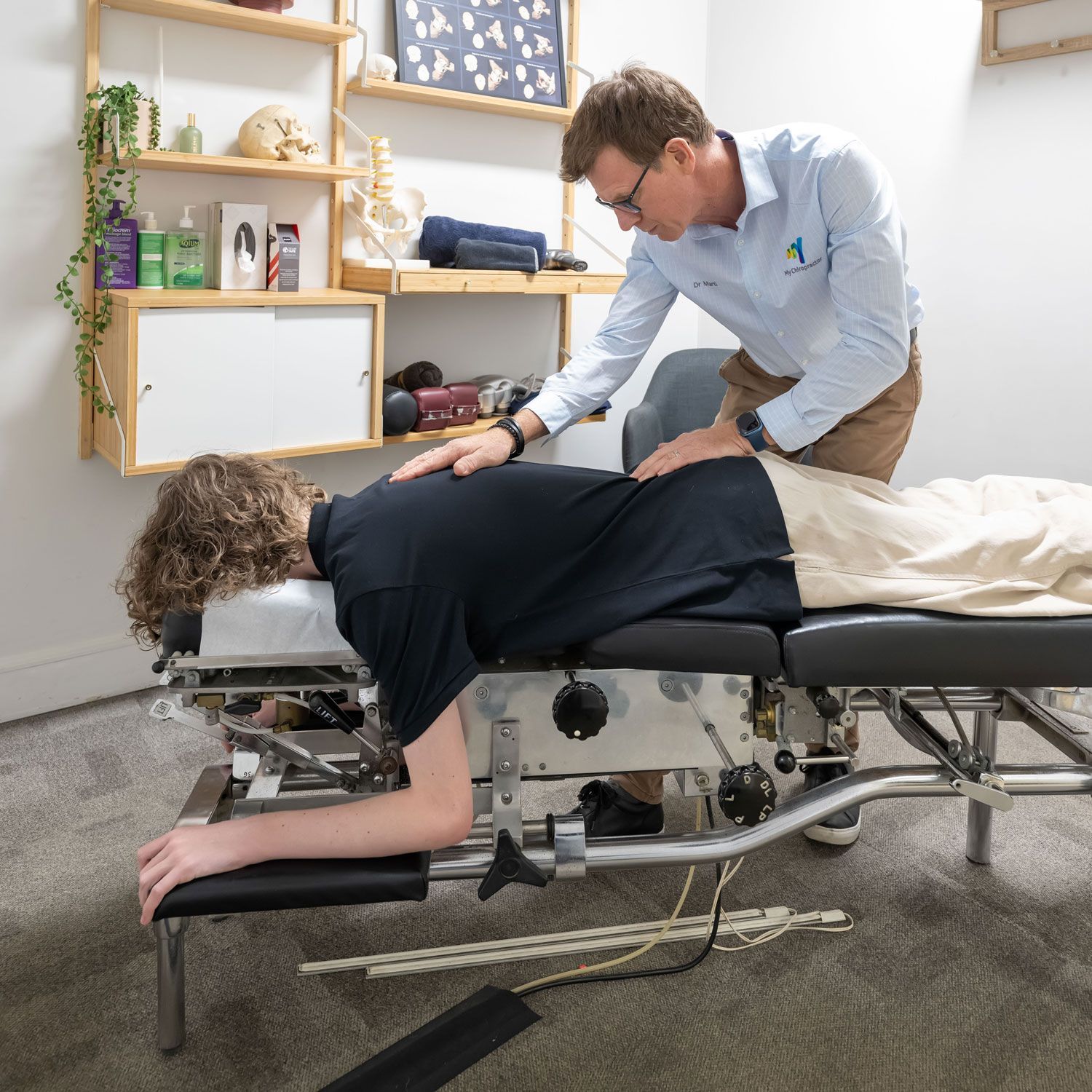
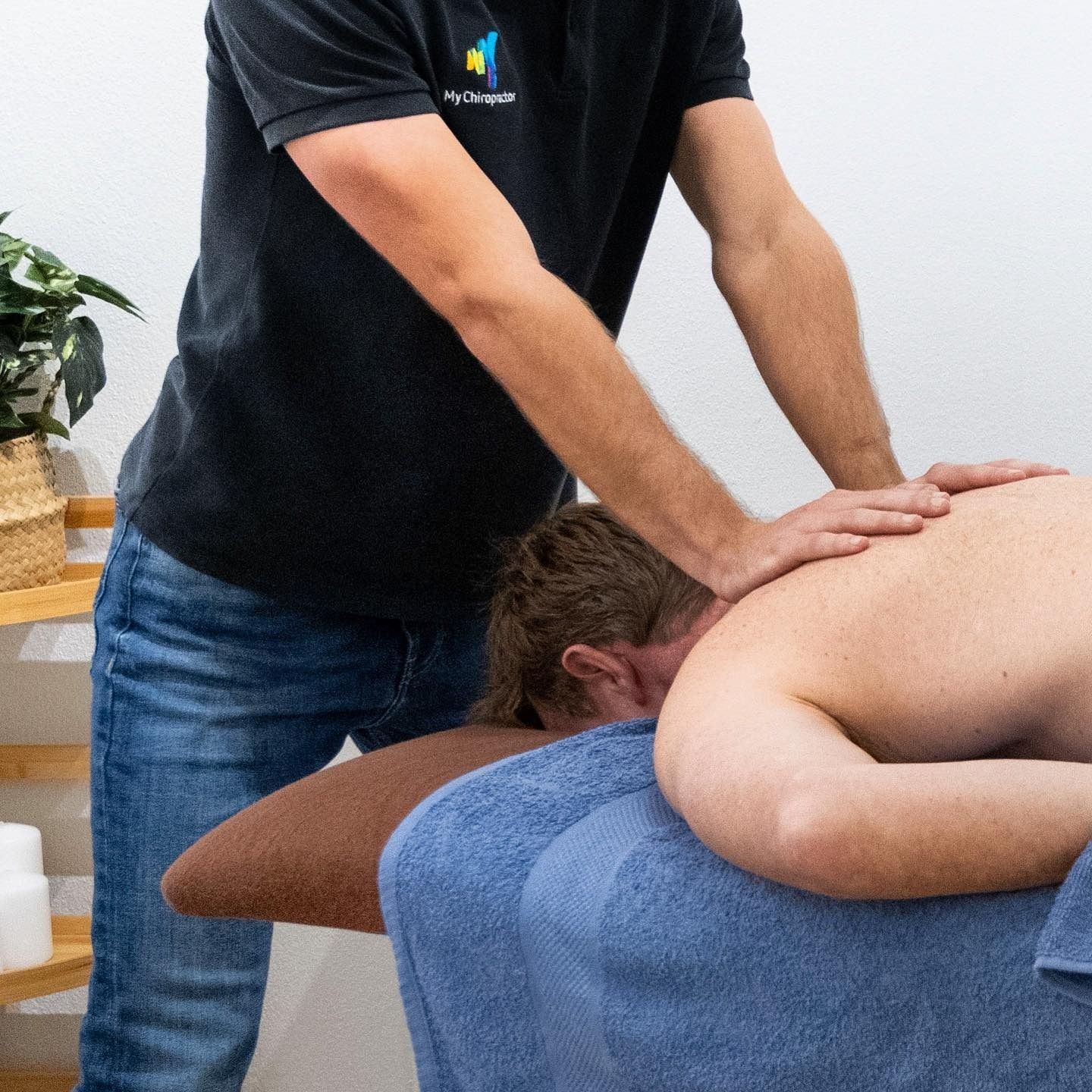
- Chiropractic care
The way it is used will vary depending on the individual. Some may include it at specific points in their training cycle, while others may incorporate it more regularly based on how their body responds between sessions. This flexibility allows it to be adapted to different training demands and activity levels.
When Dry Needling May Be Considered
Changes in how the body feels between sessions often guide decisions around recovery. These changes are typically linked to repeated training rather than a single event.
This may include:
- Muscle tightness that persists between sessions
- Reduced movement in specific areas
- Discomfort during certain exercises
- Difficulty maintaining usual training patterns
These patterns often develop gradually and may become more noticeable during ongoing activity. Dry needling in Mackay may form part of a broader recovery approach when areas of ongoing muscle tension are identified.
What to Expect From a Session
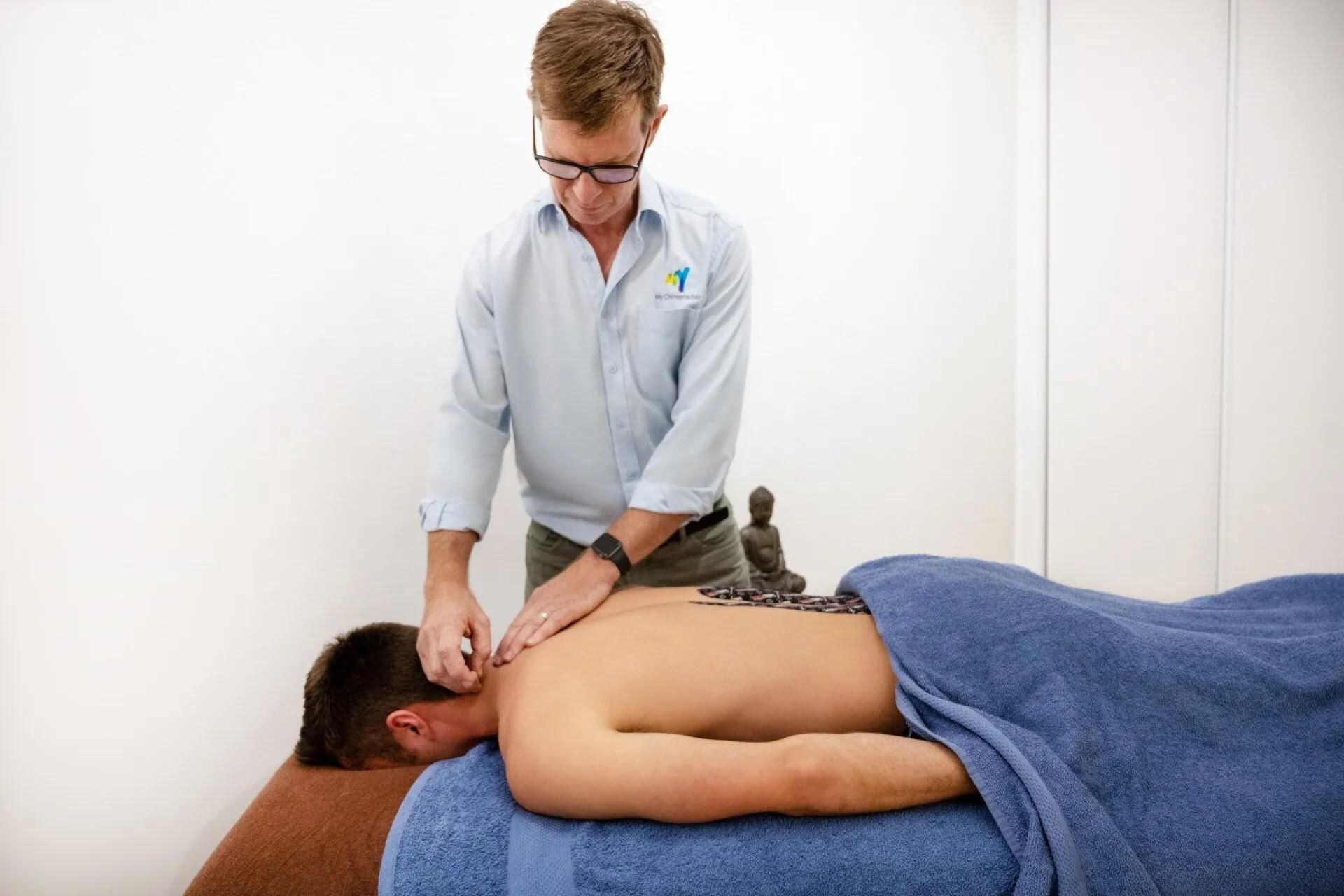
Dry needling is typically guided by an individual assessment. This helps identify which muscles are involved and how they relate to movement patterns and training demands.
A session may include:
- Observation of movement
- Identification of trigger points
- Application of the technique to targeted areas
- General guidance relating to activity
The process will vary depending on the individual and their level of activity. It is usually adapted based on how the body is presenting at the time and may change across sessions as training demands shift.
Getting Started With Dry Needling
Sporting recovery involves monitoring how the body responds between training sessions and across ongoing activity. This includes recognising areas of muscle tension and how repeated movement influences specific muscle groups over time.
My Chiropractor Mackay City provides care for individuals looking to manage these factors as part of their recovery routine. If you are considering this approach, contact our team to learn more about how dry needling in Mackay may be included in your training and recovery plan.