Dry Needling And Chiropractic Care Together: Why We Often Combine The Two
Dry needling and chiropractic care work best as a pair, not a choice between one or the other. Dry needling releases the muscle guarding around a joint, which then lets a chiropractic adjustment move that joint more freely and hold its correction for longer. If you've booked in for one treatment on its own, here's why we often recommend adding the other.
Do I Need Both Dry Needling And Chiropractic Care Or Just One?
Most patients come in booked for one treatment and leave wondering if they should have had both. The honest answer depends on what's actually driving your pain: a joint that isn't moving properly, a muscle that's locked in spasm around that joint or most commonly, both at once.
A stiff, jammed joint often causes the surrounding muscles to tighten protectively. This is called muscle guarding and it's the body's way of splinting an area it perceives as unstable. Chiropractic care addresses the joint restriction directly. Dry needling addresses the muscle guarding that's wrapped around it. Treat only the joint and the muscle can pull it straight back out of alignment. Treat only the muscle and the underlying joint restriction that caused the guarding in the first place is still there.
How Does Dry Needling Work On Muscles?
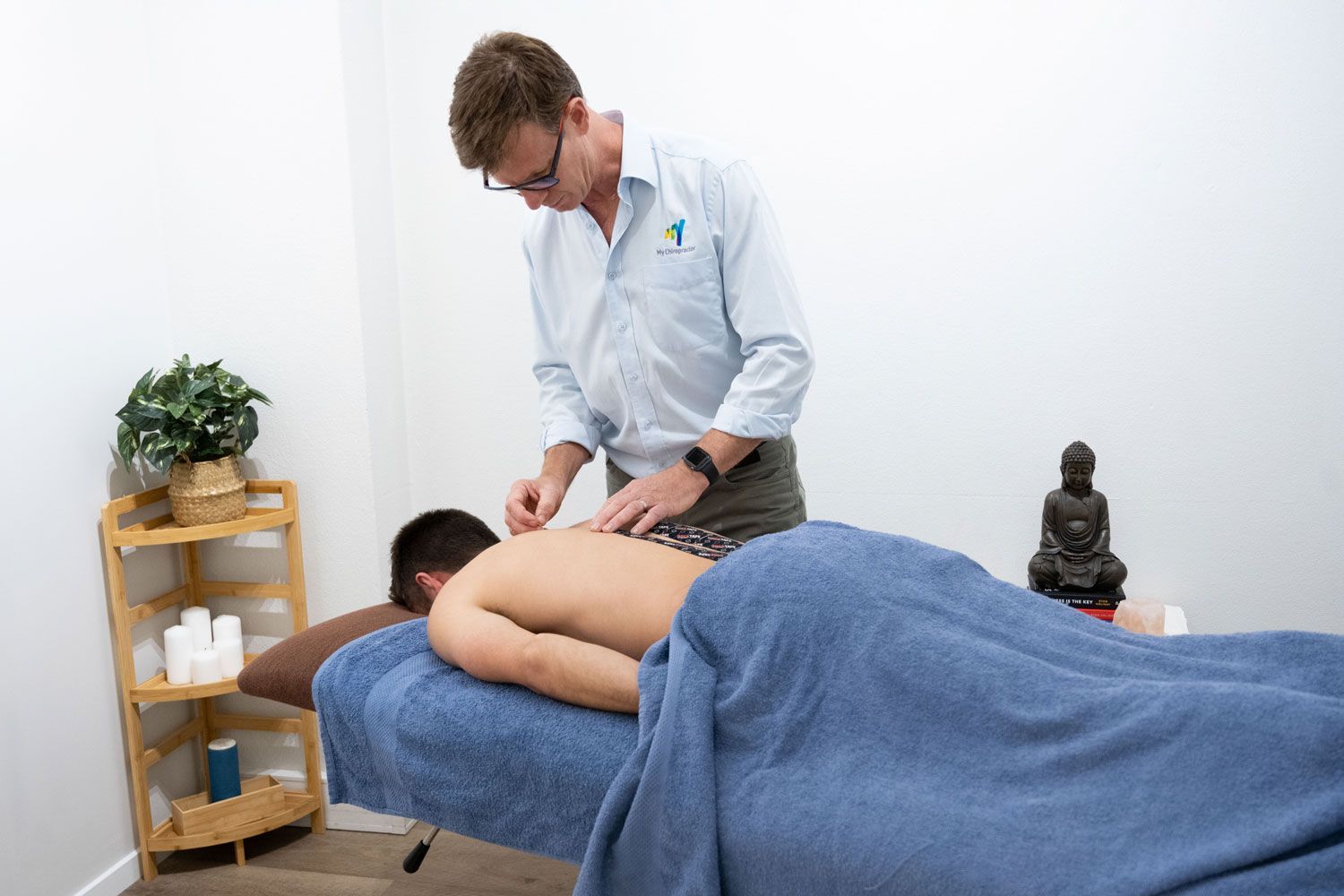
Dry needling uses a thin, solid filament needle inserted directly into a trigger point, which is a tight, irritable knot within a muscle band. The needle creates a small local twitch response, which helps interrupt the muscle's sustained contraction and improves blood flow to the area. This is trigger point therapy in its most direct form: targeting the exact spot of tension rather than treating the muscle broadly.
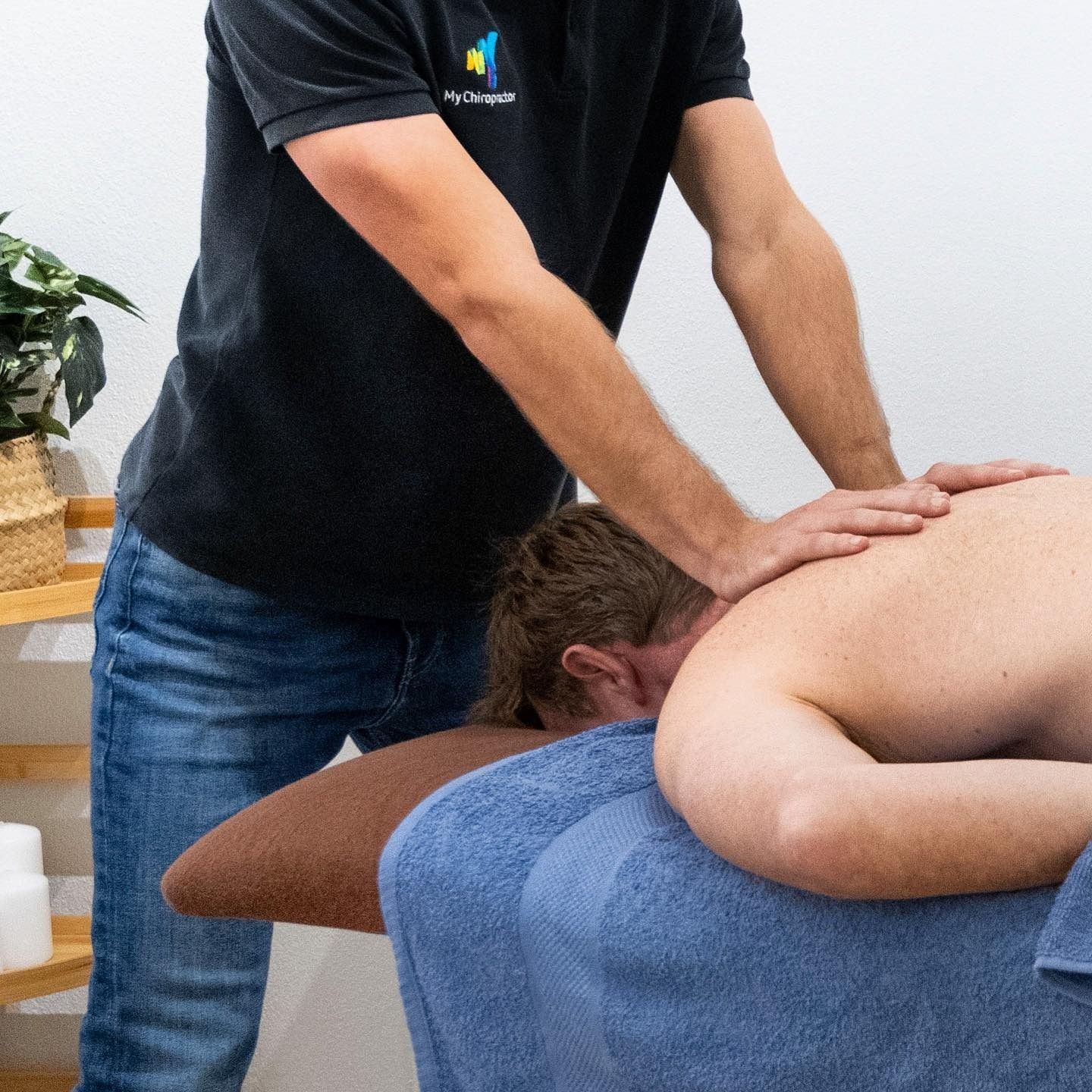
Once that trigger point releases, the muscle fibres around it lengthen and the guarding response eases. Patients often describe the sensation as a deep ache followed by a noticeable release, sometimes within the same session. This is different from a massage, which works from the outside in. Dry needling reaches the muscle directly and targets the specific point holding the tension.
Why We Often Dry Needle Before An Adjustment
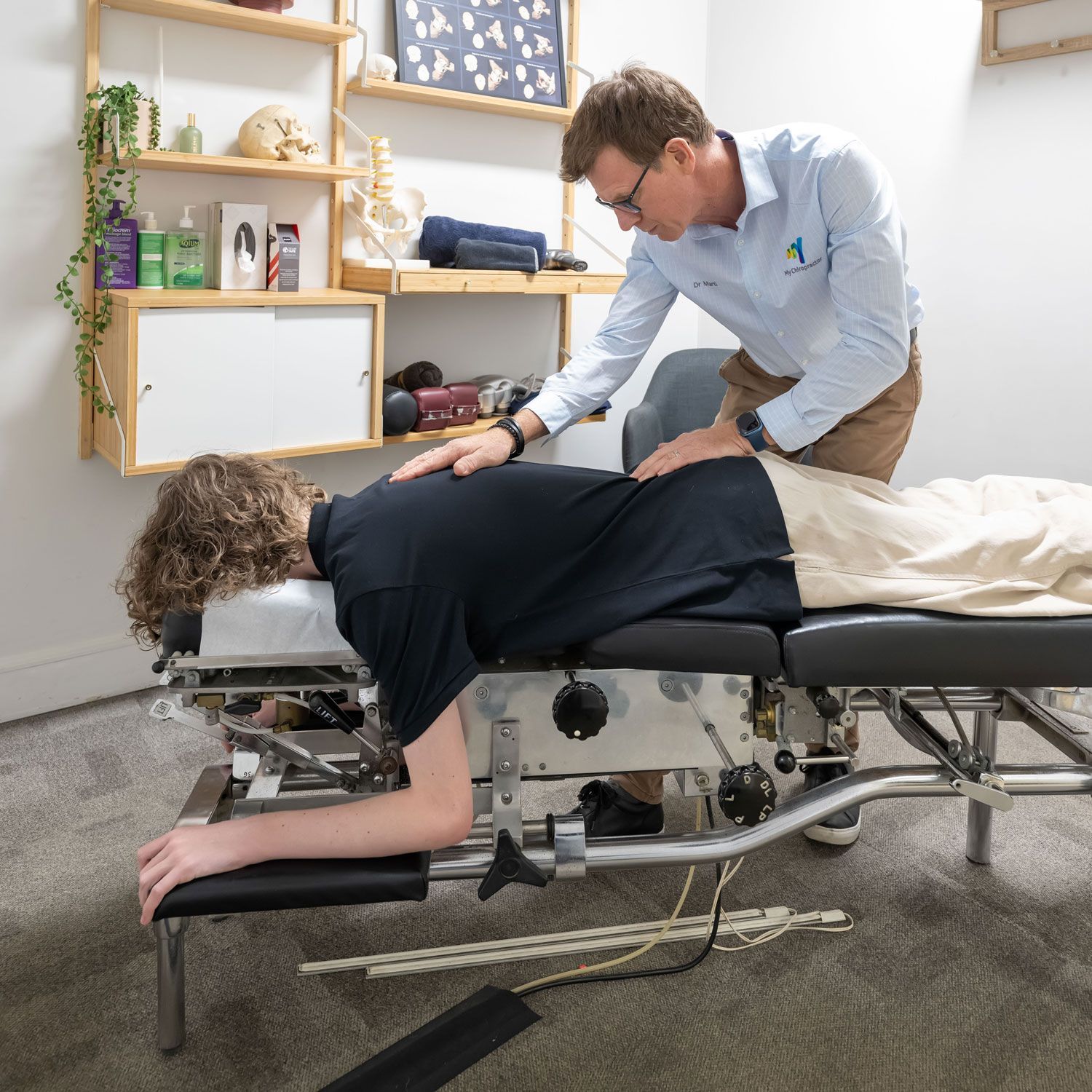
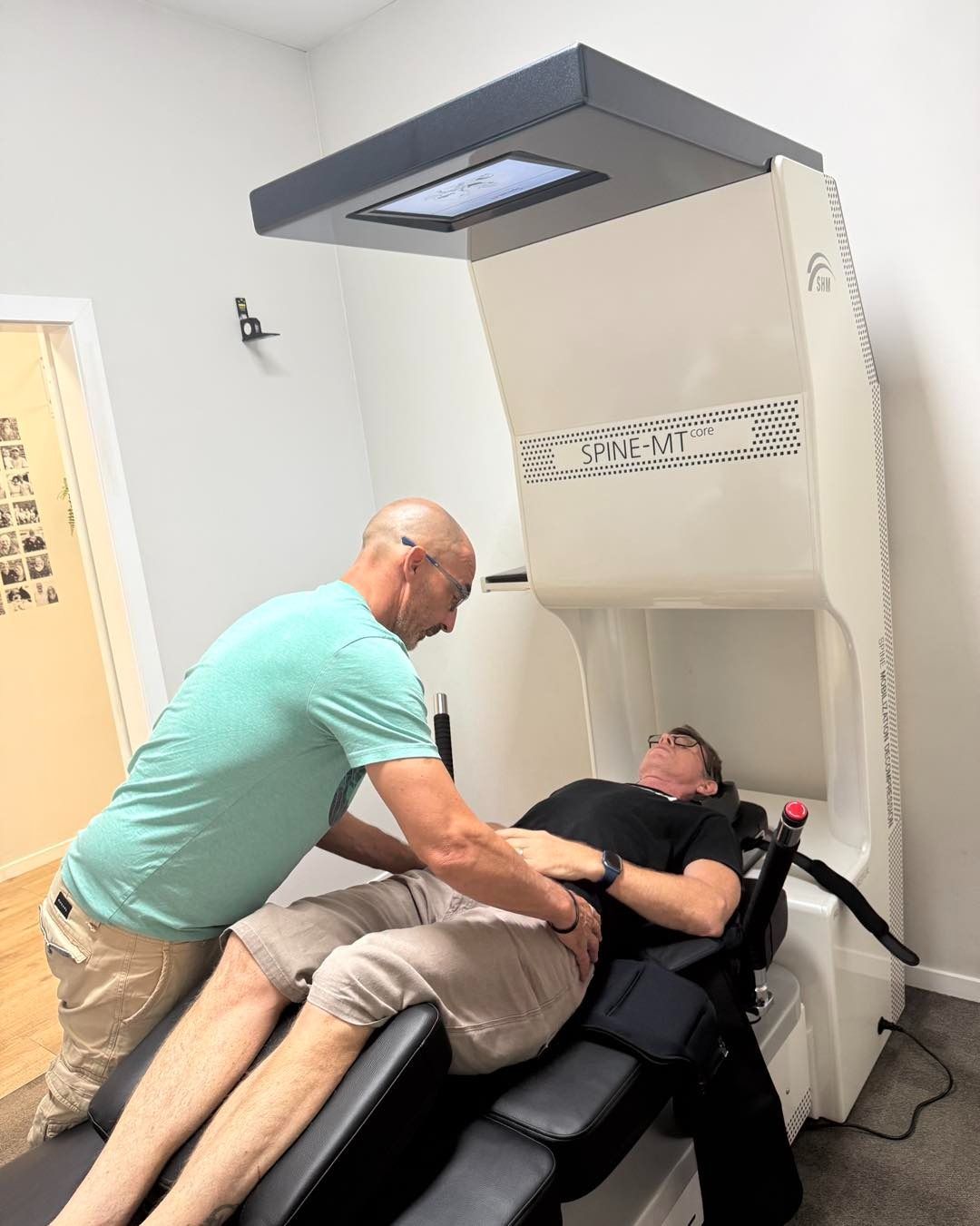
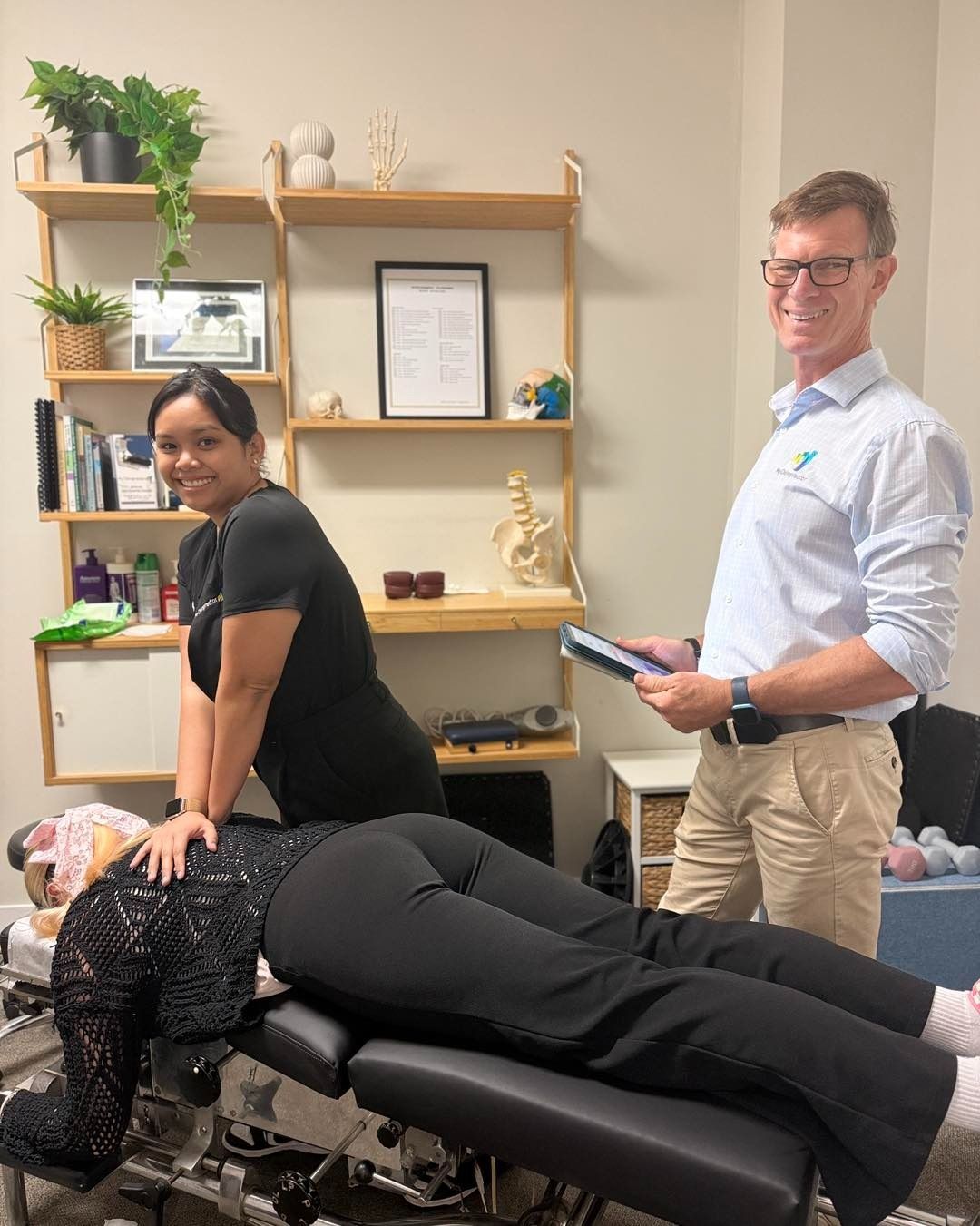
This is where the two treatments genuinely complement each other, rather than simply being offered as a package. In many of our appointments, the chiropractor will dry needle a tight trigger point first, then move into the spinal or joint adjustment either straight after or in a closely following session.
The reasoning is straightforward. A joint surrounded by guarded, tightened muscle is harder to move and harder to adjust cleanly. Releasing that muscle first gives the joint more room to move through its natural range, so the adjustment itself is smoother and more precise. Just as importantly, a looser muscle is less likely to immediately pull the joint back out of position, which means the adjustment tends to hold for longer.
Example: a patient comes in with a locked up lower back after a week of heavy lifting. The chiropractor finds a tight trigger point in the erector spinae muscles running alongside the spine. Needling that point first releases the guarding and the following adjustment moves the joint through a full range without the muscle fighting back. The patient leaves not just adjusted, but with the muscle tension that caused the problem actually addressed.
Will Dry Needling Replace My Adjustments?
No, dry needling and chiropractic adjustments address different structures, so one isn't a substitute for the other. Dry needling works on muscle tissue. Adjustments work on joint mechanics and alignment. If your muscle tension is being caused by a joint that isn't tracking properly, needling alone will bring temporary relief, but the muscle will likely tighten again once the joint restriction reasserts itself.
This is a common misconception we hear in the clinic: patients booked in for a course of dry needling assume they no longer need their adjustments or vice versa. In reality, most cases of chronic tension or recurring stiffness involve both a joint component and a muscular component. According to industry best practice in musculoskeletal care, addressing both structures together tends to produce more durable results than treating either in isolation.
What This Looks Like In Practice
If you're already booked in for dry needling in Mackay, ask your chiropractor whether adding it to your adjustment plan could speed up your results. Many patients start with dry needling for a specific tight area and find their chiropractor recommends folding in adjustments once the muscle guarding around a joint becomes clear during assessment.
We've covered how dry needling improves mobility and releases muscle tension on its own — paired with an adjustment, that looser muscle gives the joint more room to move properly. The two treatments build on each other rather than competing for the same outcome.
The Takeaway
If you're stuck between booking dry needling or chiropractic care, the better question is whether your chiropractor has assessed which structures (joint, muscle or both) are actually contributing to your pain. A proper assessment will usually reveal whether you need one treatment, the other or the combination. Bring up both options at your next appointment and ask your chiropractor to explain what they're seeing in your specific case.
Frequently Asked Questions
Can I have dry needling and a chiropractic adjustment in the same appointment?
Yes, this is common practice. Many chiropractors will dry needle a tight trigger point first to release muscle guarding, then perform the adjustment once the muscle has loosened, all within the same visit.
Does dry needling hurt more than a chiropractic adjustment?
The sensations are different rather than comparable on a pain scale. Dry needling can cause a brief, deep ache or twitch response at the trigger point, while an adjustment typically produces a quick release with little to no discomfort.
How many dry needling sessions do I need before adding chiropractic adjustments?
This depends on your specific presentation and is best assessed by your chiropractor. Some patients benefit from needling and adjustments from the very first visit, while others need a session or two of needling first to reduce guarding enough for a comfortable adjustment.
Is dry needling chiropractor administered or do I need to see a separate practitioner?
Many chiropractors are trained and qualified to perform dry needling themselves, which is why the two treatments are often delivered in the same appointment rather than requiring a referral to a separate provider.
Will my muscle tension come back if I only get adjustments without dry needling?
It's possible, particularly if the muscle guarding is significant. Since the adjustment addresses the joint and dry needling addresses the muscle, skipping the muscular component can mean the guarding pulls the joint back out of alignment sooner.
How long does the effect of combining dry needling and chiropractic care last?
This varies by individual and the underlying cause of the pain. In general, addressing both the muscle and the joint tends to help the adjustment hold for longer compared with adjustment alone, since the muscle isn't working against the correction.