Safety And Standards: What To Look For In A Dry Needling Practitioner
If you spend most of your working day at a desk, there's a good chance your body has quietly adapted to it in ways that aren't doing you any favours. Forward head posture, rounded shoulders, a persistently tight upper back, hip flexors that never fully lengthen — these patterns build gradually and often get written off as normal. For a lot of Mackay office workers, admin staff, and people working from home, the daily ache has simply become background noise.
In Mackay, dry needling is one of the approaches used to address the specific muscle patterns that develop from prolonged sitting. But like any hands-on health service, the outcomes depend significantly on the practitioner delivering it. This article covers what those patterns involve, how dry needling works for Mackay office workers and what to look for when choosing who to see.
What Prolonged Sitting Actually Does To Your Muscles
The physical effects of spending eight or more hours at a desk aren't just about posture; they involve specific, predictable changes in muscle function that accumulate over time.
When the head sits forward of the shoulders, a common pattern in people who work at screens, the muscles at the back of the neck and upper shoulders carry a sustained load they weren't designed for. Over time, this contributes to the development of trigger points: localised areas of muscle tension that can refer pain to other areas, restrict range of motion, and become progressively harder to release through stretching alone.
The patterns that tend to develop from prolonged desk work include:
- Upper neck and shoulder tension from sustained forward head posture, which can refer pain into the neck and head
- Rounded shoulders that overwork the muscles between the shoulder blades and shorten the chest muscles
- Hip flexor shortening from hours of sitting, which can contribute to tension through the lower back
- Altered pelvic position that influences posture further up the spine
These aren't isolated problems. They're interconnected patterns, and addressing one without the others often produces limited results.
How Dry Needling Addresses These Patterns
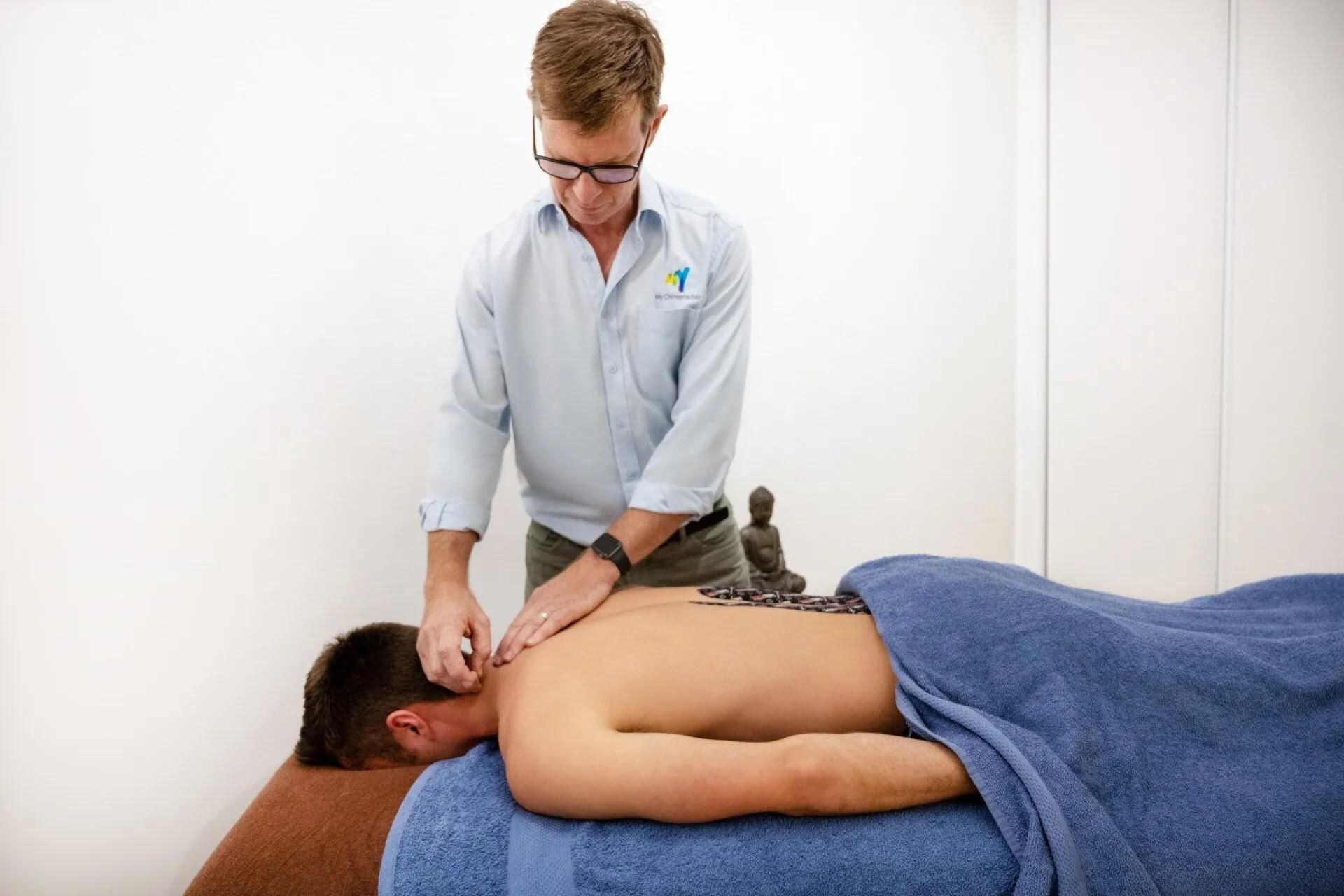
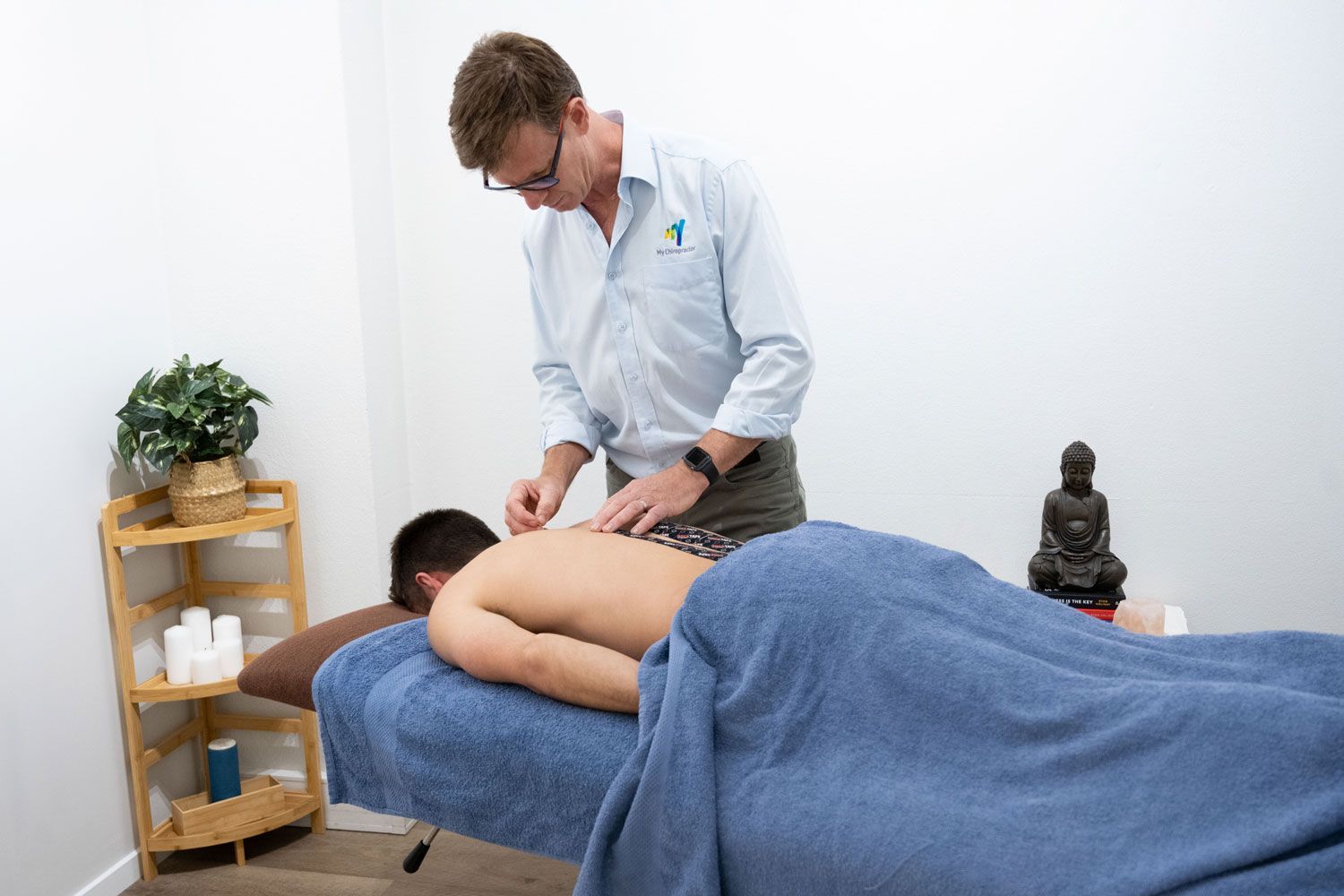
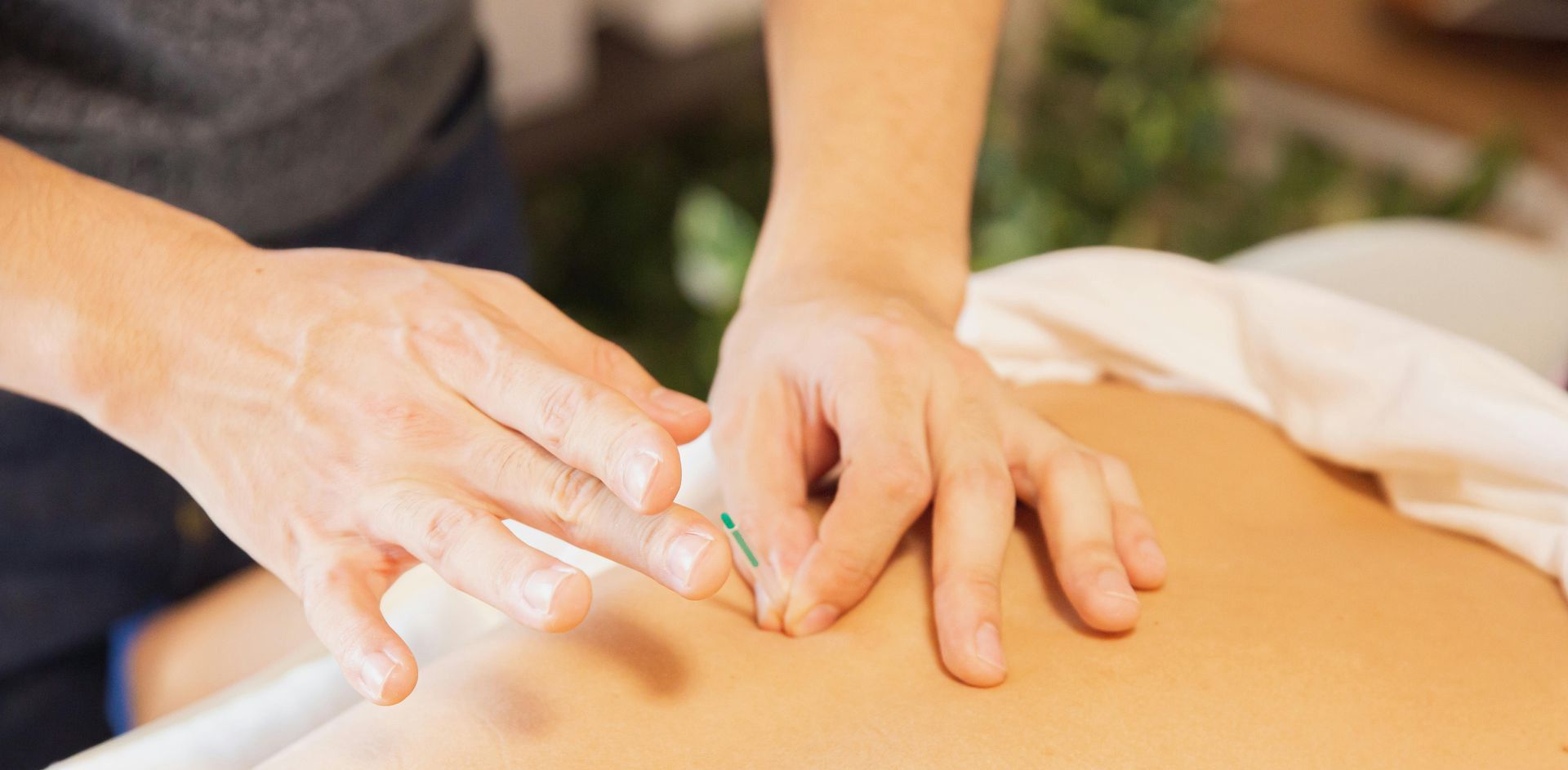
Dry needling involves the insertion of fine, sterile needles into trigger points within muscle tissue. When a needle is placed into an active trigger point, it can produce a localised twitch response, an involuntary contraction of the muscle fibres, which is associated with a reduction in electrical activity within that trigger point and a release of the sustained tension held there.
This mechanism is different from what stretching or heat achieves. Stretching applies tension across a muscle and can improve range of motion, but it doesn't directly address the localised dysfunction within a trigger point in the same way. Heat increases blood flow and can reduce the sensation of tightness, but works on the surface of the problem rather than the trigger point itself. Dry needling targets the specific location where the tension is held, which is why it is often used alongside other treatment approaches rather than as a standalone intervention.
Qualifications And Training Matter
Dry needling is not a standalone profession in Australia; it is a technique that can be performed by various registered health practitioners, including chiropractors and physiotherapists, provided they have completed appropriate training. The level of competency required to safely perform dry needling, particularly in areas close to the spine, lungs, or major blood vessels, is significant, and not all training is equivalent.
When considering a practitioner, it is reasonable to look for:
- Registration with the Australian Health Practitioner Regulation Agency (AHPRA), a baseline requirement for any registered health practitioner in Australia
- Membership of a relevant professional association, such as the Australian Chiropractors Association (ACA), which carries requirements around continuing education and scope of practice
- Specific, documented training in dry needling beyond a general health qualification
- Regular use of the technique in practice, rather than infrequent application following a short course
Practical experience matters alongside formal training, and a practitioner who incorporates dry needling regularly into a broader treatment approach is in a different position to one who applies it occasionally.
What A Considered Assessment Looks Like
Dry needling should not be the first thing that happens when you walk through the door. A thorough initial assessment covering your history, the nature and location of your symptoms, any contraindications, and what you're hoping to achieve should precede any treatment.
Contraindications to dry needling exist and should always be checked before proceeding. These include:
- Certain medications and blood-clotting conditions
- Pregnancy
- Local skin infections at or near the treatment site
- Needle phobia or significant anxiety around the procedure
A dry needling practitioner in Mackay who skips this step or treats dry needling as a routine procedure without individual assessment is not following best practice. The treatment plan should also make sense dry needling is typically most useful as part of a broader approach that may include rehabilitation exercises, postural correction, and other manual therapies, not as an indefinite standalone treatment.
Communication And Comfort
How a practitioner communicates before, during, and after dry needling tells you a great deal about the standard of care you're receiving. You should understand what is being done and why. You should be informed about what sensations to expect — including the localised twitch response, which can be surprising the first time it occurs. You should be told what to watch for after the session and allowed to ask questions at any point.
Informed consent is not a formality. It is an ongoing part of the clinical relationship, and a practitioner who takes it seriously will ensure you feel informed and comfortable before any needles are placed.
Dry Needling In Mackay For Desk-related Muscle Tension
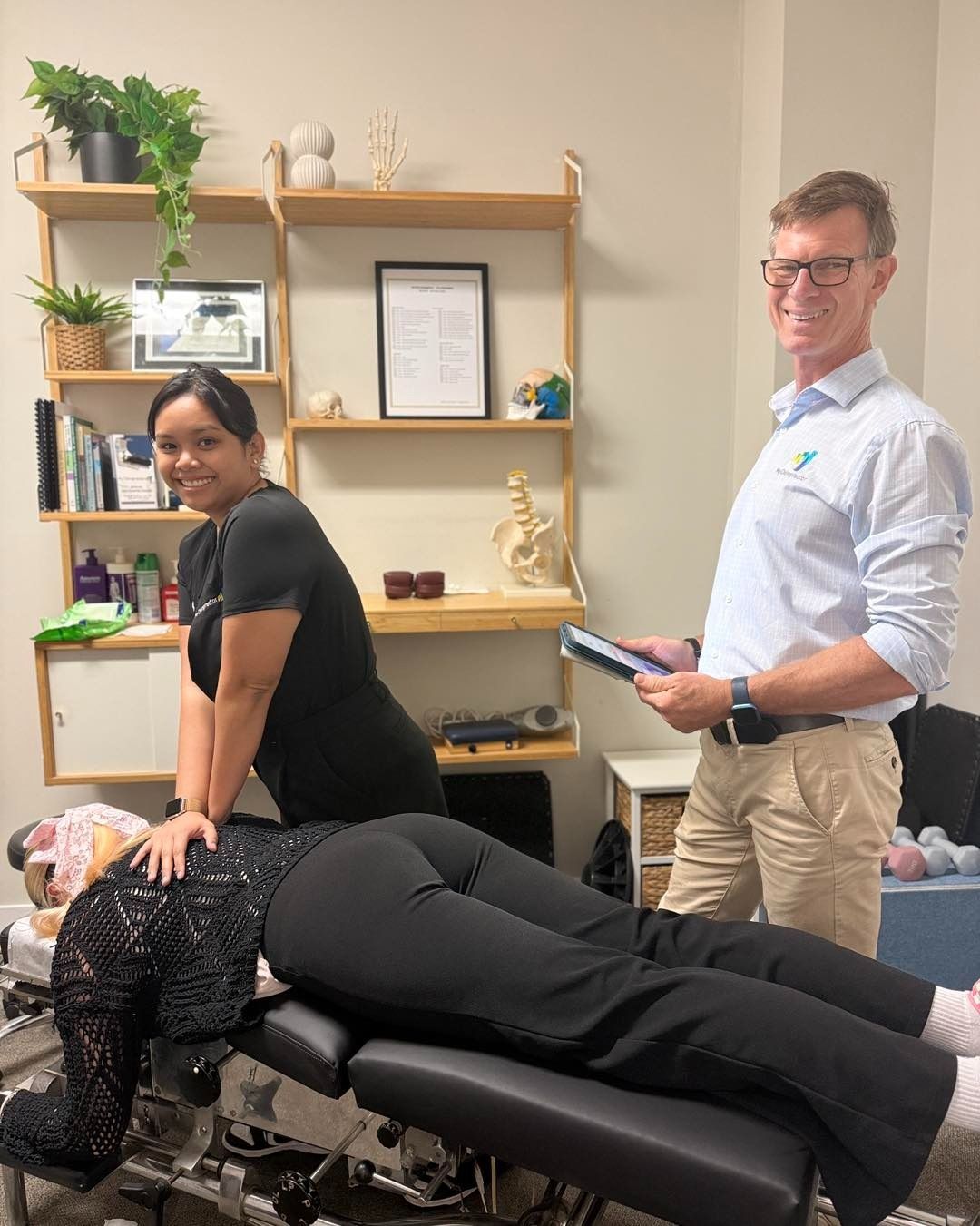
Here at My Chiropractor Mackay City, we see the effects of prolonged sitting regularly among our patients the neck and shoulder tension, the upper back tightness, the hip flexor patterns that load the lower back. Dry needling in Mackay is one of the tools our chiropractors use as part of individualised treatment plans, alongside chiropractic care, rehabilitation, and other approaches suited to each person's presentation. Dr Marti Harris is an ACA member and our team brings over 20 years of experience with more than 15,000 patient consultations to each assessment. If you'd like to find out whether dry needling may be appropriate for your situation, contact us to chat more or book online arrange an assessment.