
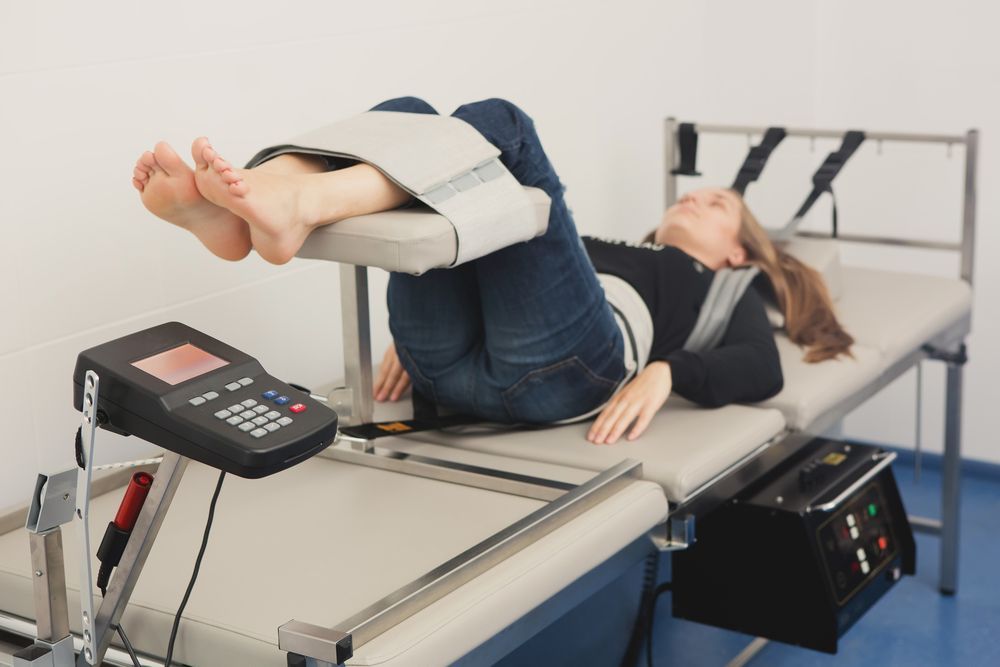
Discover how Spinal Decompression in Mackay treats chronic back pain. Learn how this effective therapy works and book your consultation with us today.
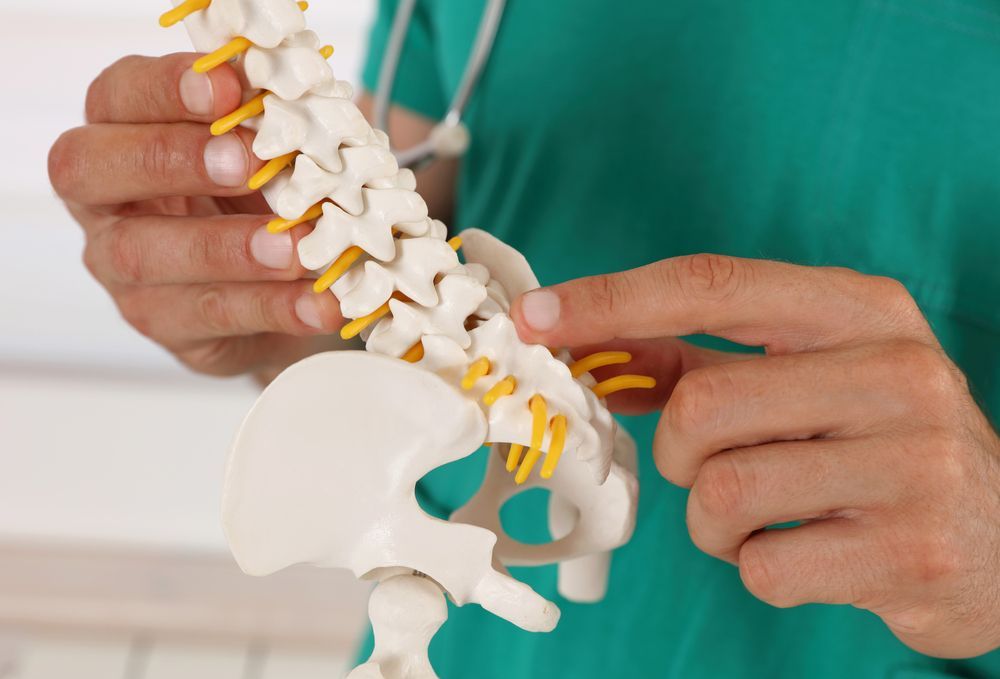
Deciding between surgery and non-surgical Spinal Decompression in Mackay? Compare your treatment options and book your clinical consultation today.
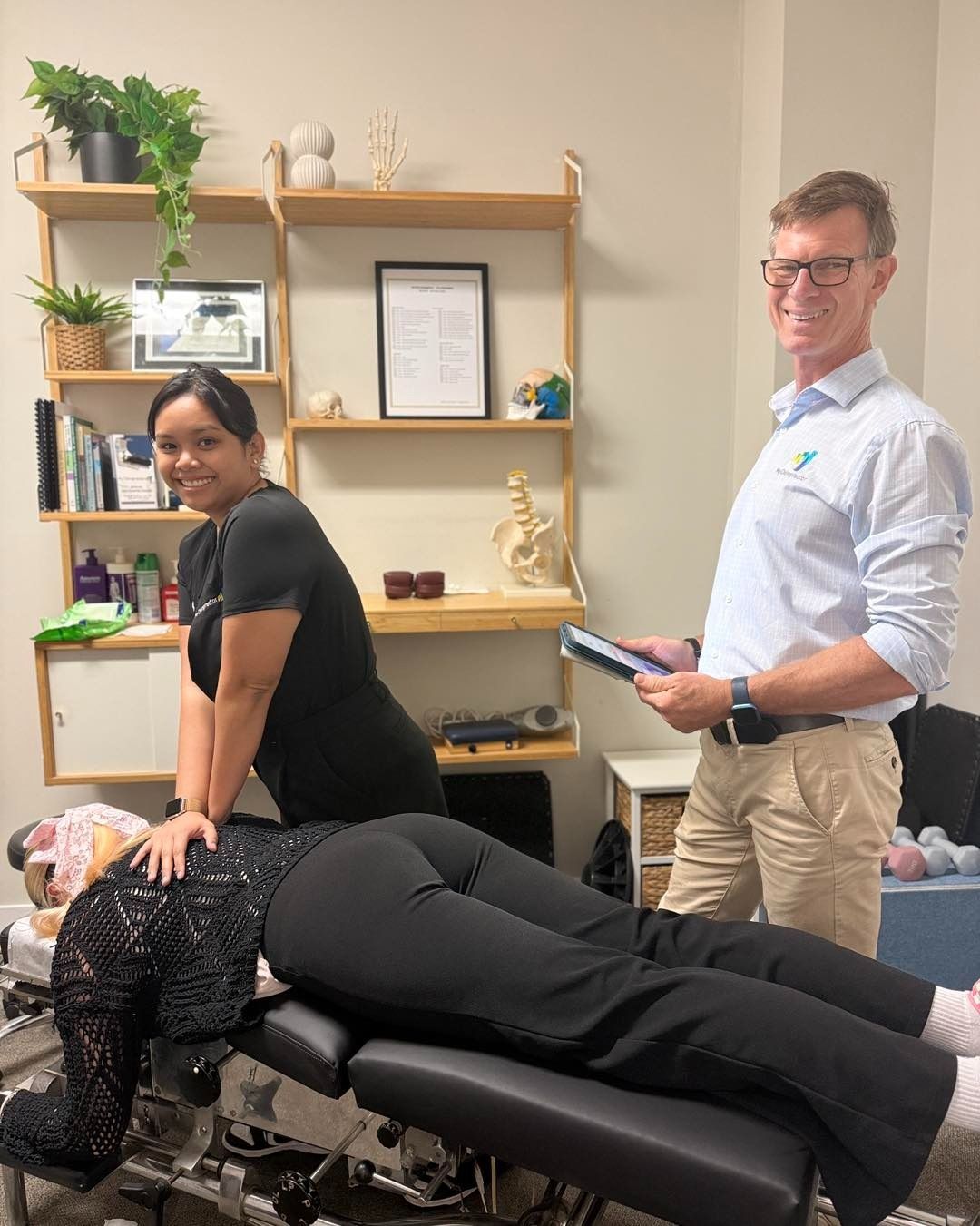
Discover when a chiropractor in Mackay may be covered by Medicare, how HICAPS claims work and what fees and rebates to check before making a booking.
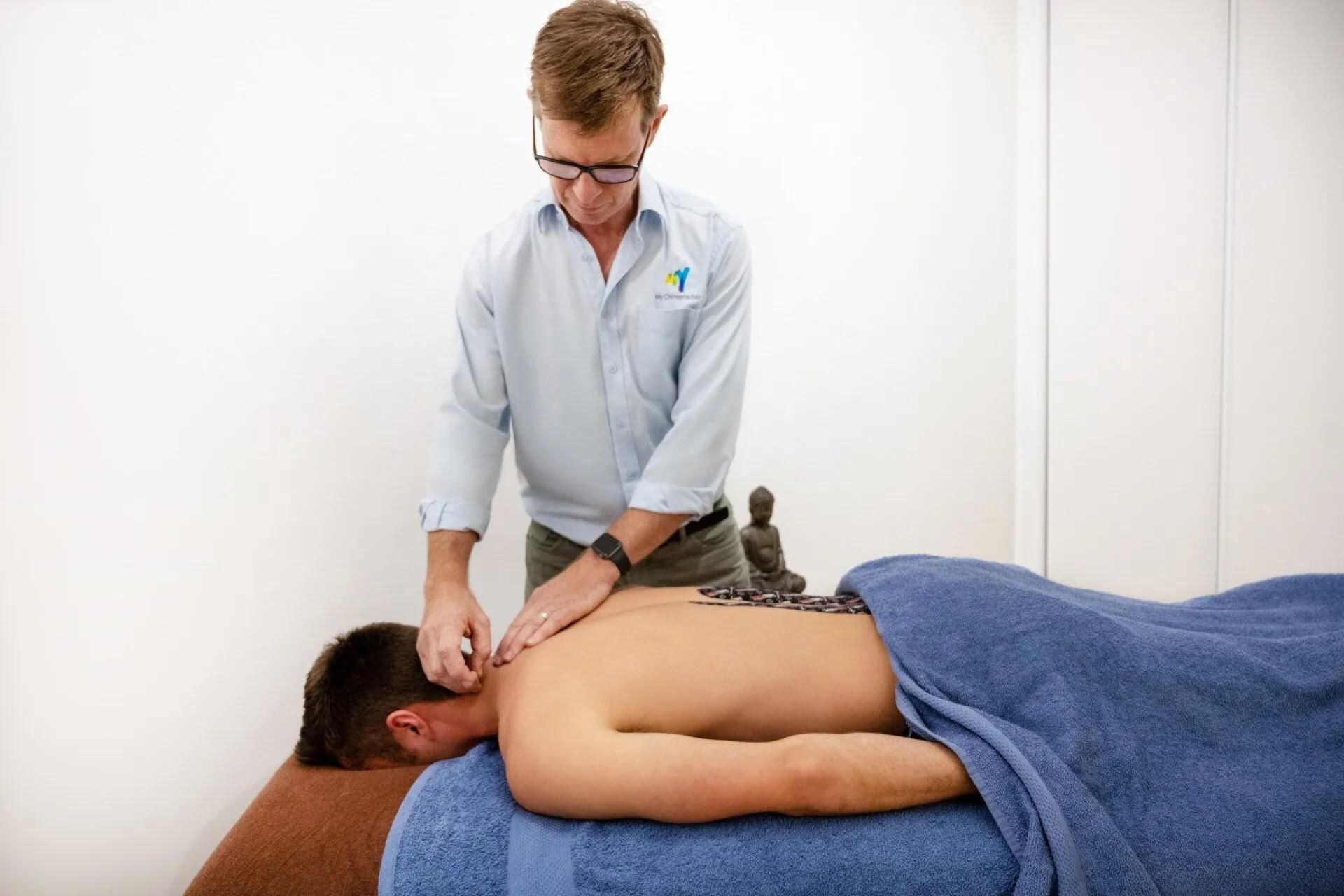
Wondering whether you need dry needling, chiropractic care or both? Learn how these treatments work together and when combining them may help.

Learn what to look for in a safe, qualified practitioner offering Dry Needling in Mackay. Check key standards and make an informed choice today.
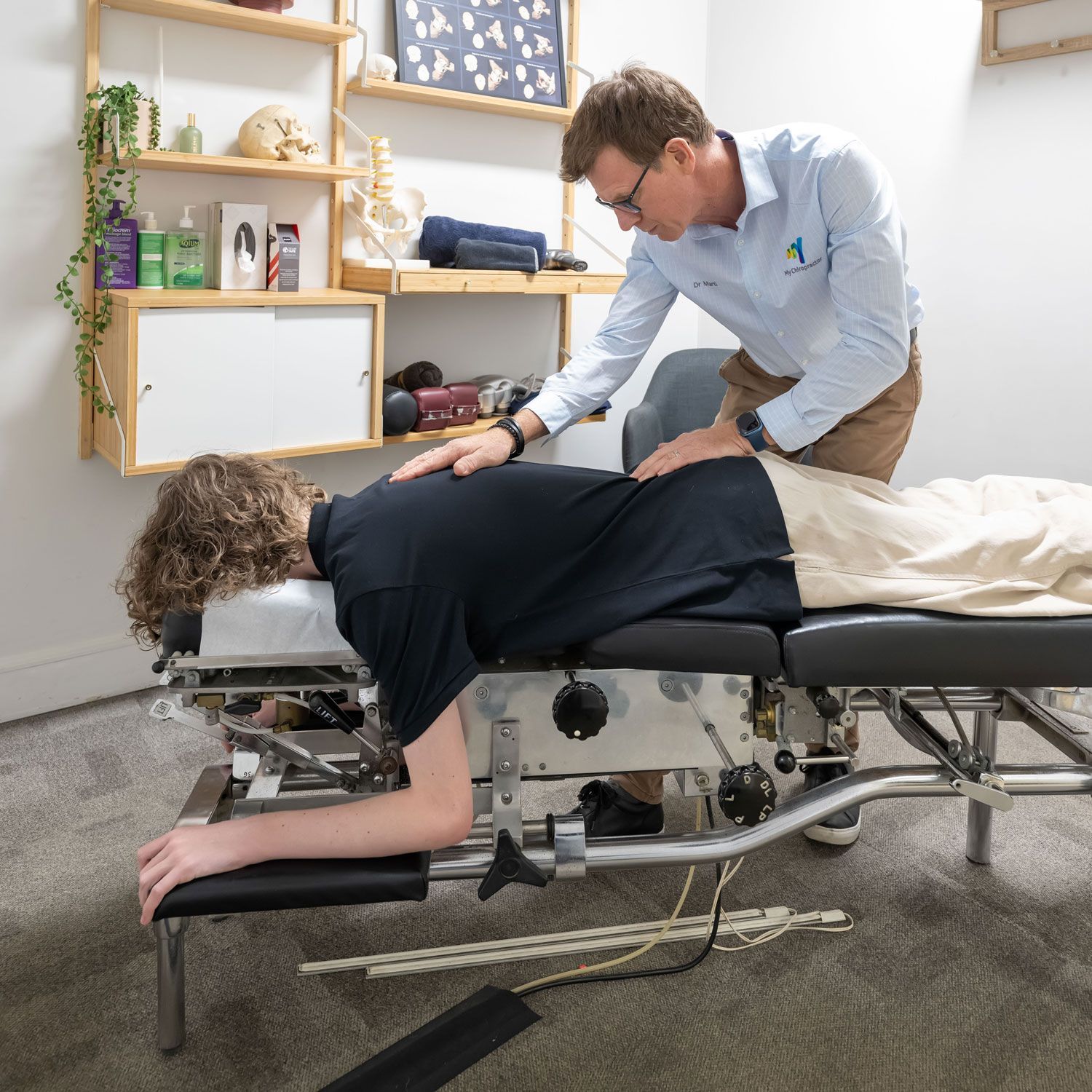
Learn how Back Pain & Mental Health are connected and discover practical ways to support your wellbeing. Read our guide and learn more today.

Neck pain often stems from posture strain or daily habits. Discover common causes and effective relief options with a chiropractor in Mackay. Act now.
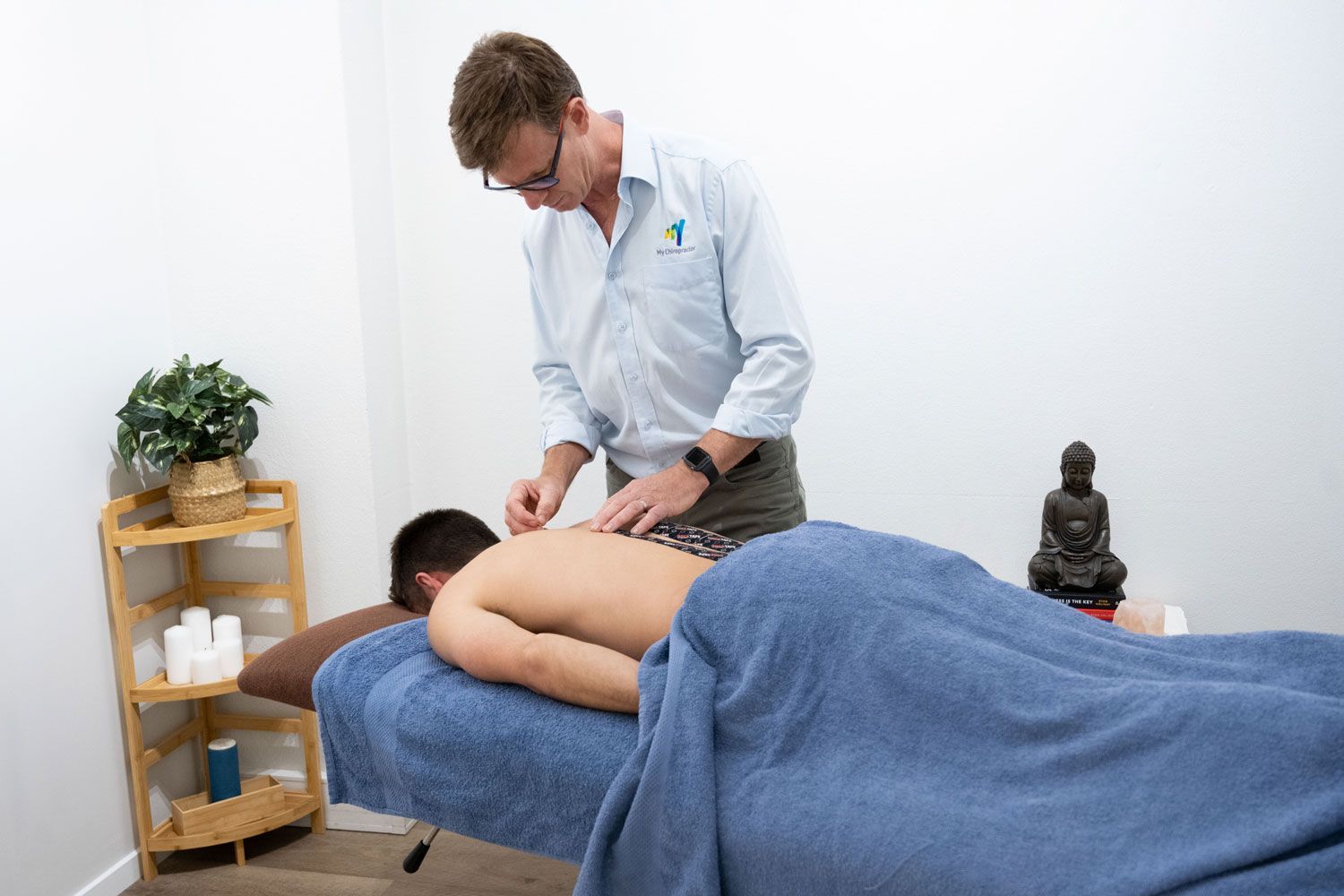
Support faster sporting recovery with dry needling in Mackay. Relieve muscle tension and improve movement. Contact us today to learn more.
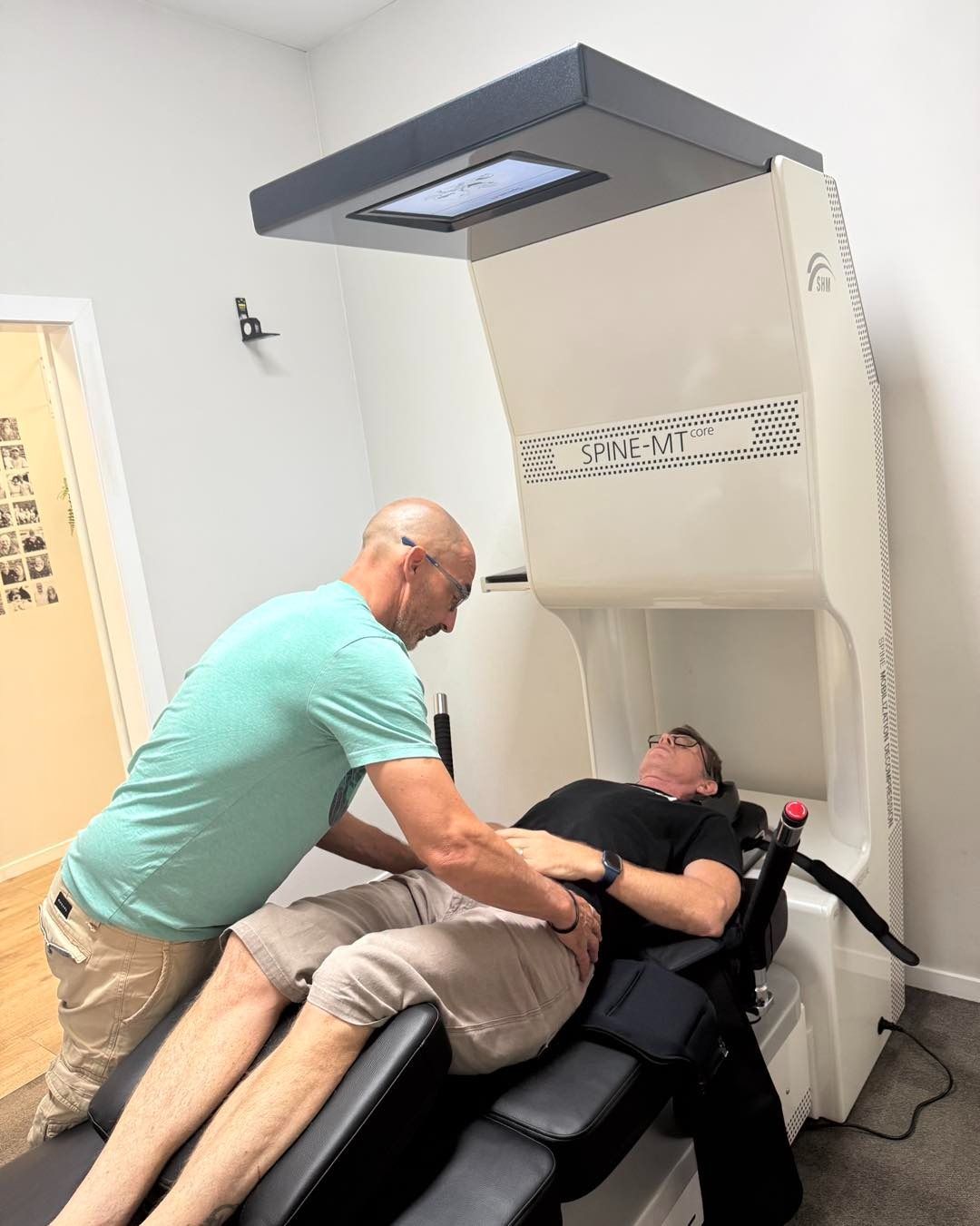
Discover what clinical studies reveal about Spine MT Core. Visit a chiropractor in Mackay to explore evidence-based care. Find out more today.
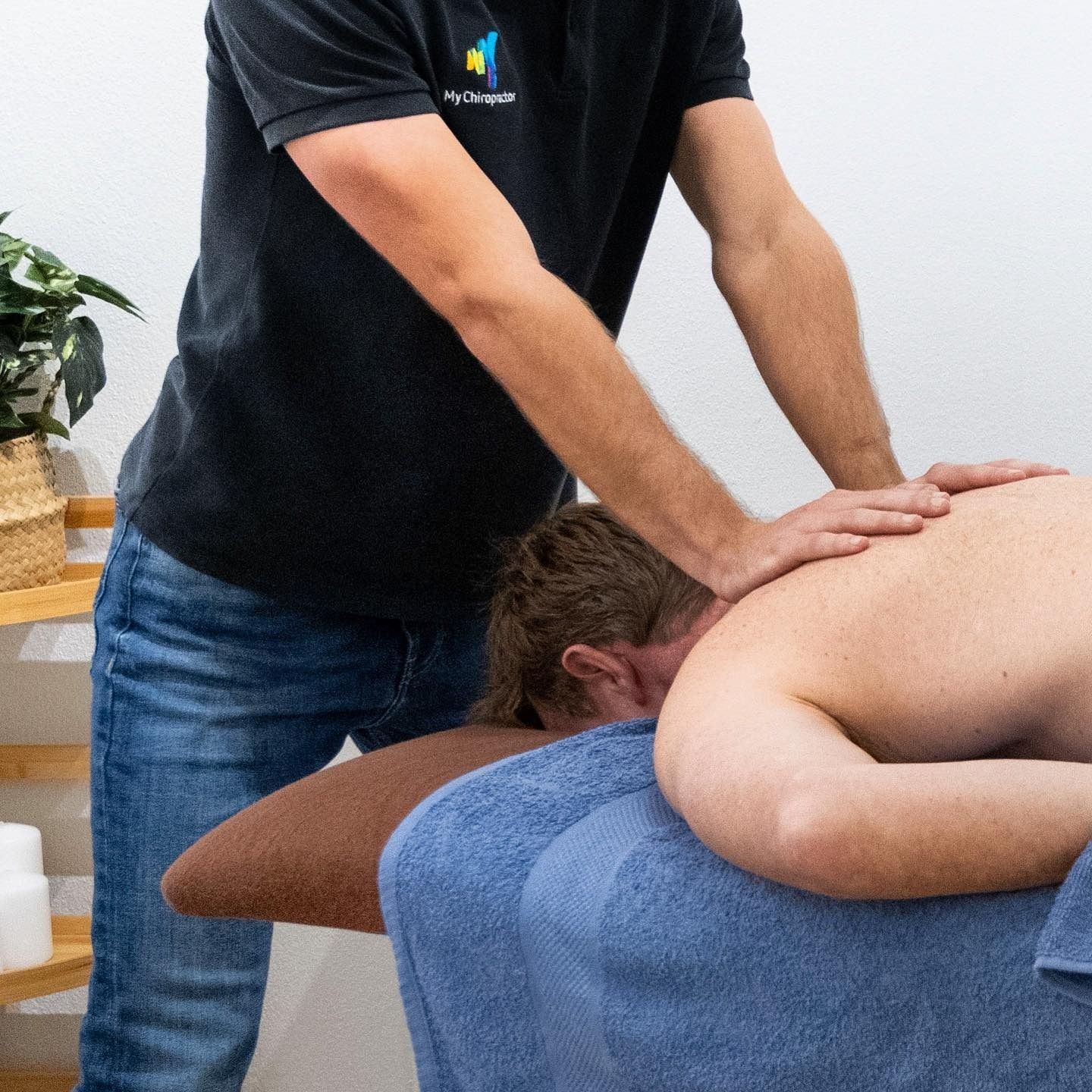
Find out why sciatica keeps returning and how to manage it with help from a chiropractor in Mackay. Take control of your pain. Book today.